
Optane Masonry & Home Improvements provides professional foundation repair services from our Elizabeth, NJ base, serving homeowners throughout North Jersey and selected New York areas.
Optane Masonry & Home Improvements is based in Elizabeth, NJ and provides foundation repair services throughout Elizabeth and surrounding North Jersey communities.
Foundation walls are affected by conditions that are often hidden below grade. Soil movement, water pressure, drainage, and long-term material aging can all contribute to cracking, bowing, deteriorated mortar, or movement.
From our Elizabeth base, service may be available in Union, Linden, Hillside, Roselle, Roselle Park, Cranford, Rahway, Newark, Springfield, and other selected North Jersey communities.
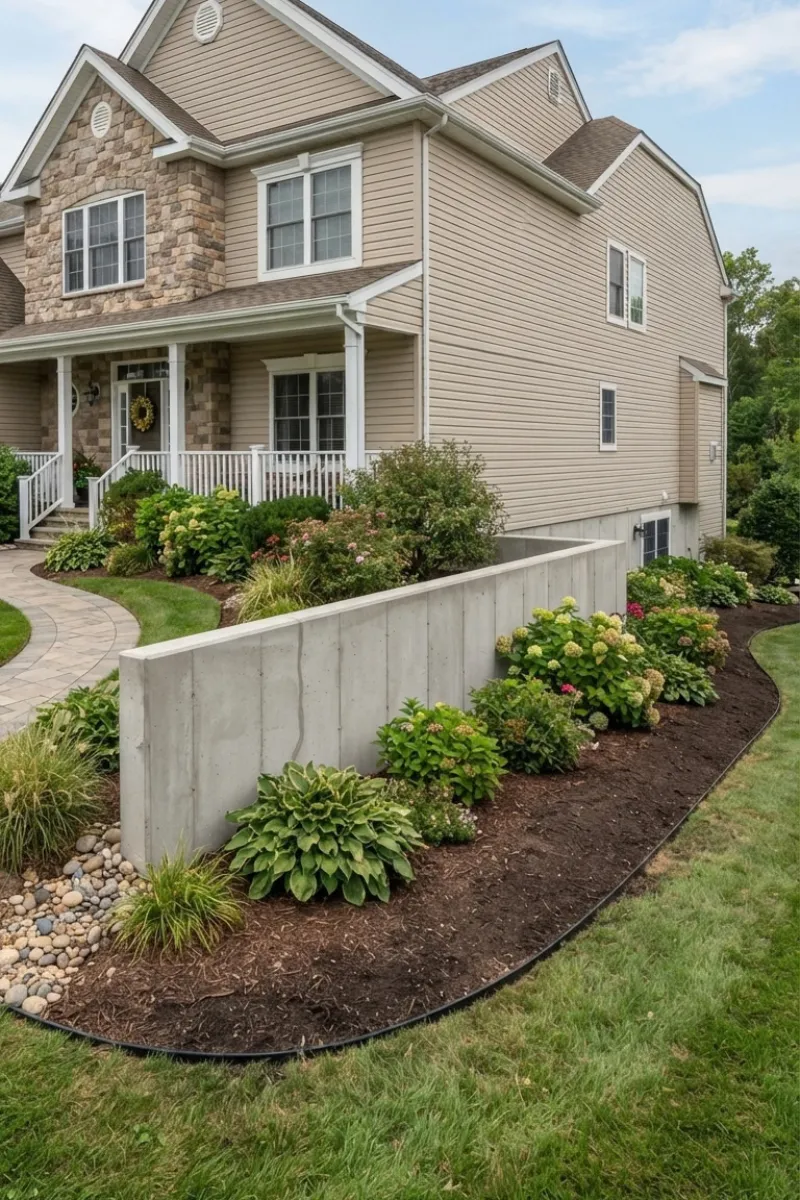
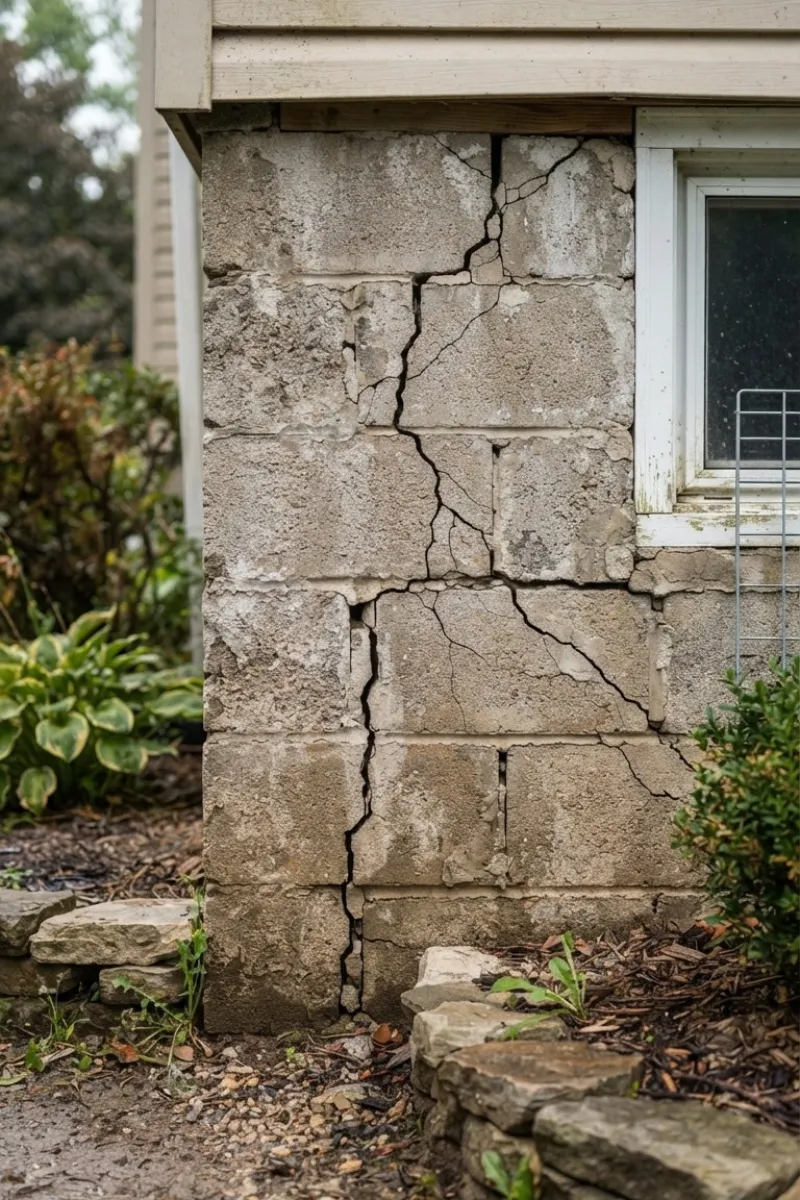
Cracks may appear in concrete, block, brick, stone, or mortar joints. The direction, width, location, and surrounding condition all matter.
Foundation walls may develop deteriorated joints, cracked masonry, displacement, or localized failure.
Walls that bow, lean, or move out of alignment require more careful evaluation than ordinary surface cracking.
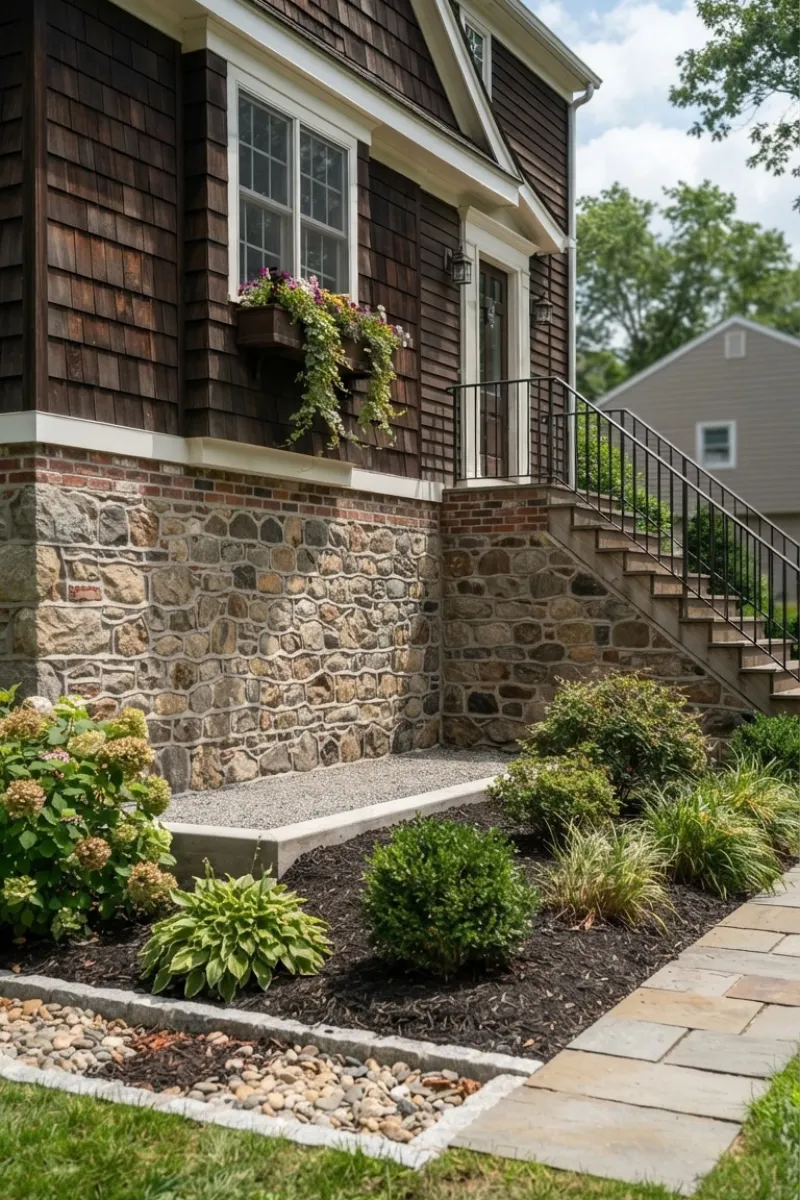
Brick, block, and stone foundations may develop loose mortar, cracked units, open joints, or localized deterioration.
Sections that are significantly deteriorated, displaced, or no longer suitable for simple repair may require partial rebuilding.
The repair method depends on the wall material, extent of movement, moisture exposure, drainage, previous repairs, and whether the damage is isolated or widespread.
Foundation damage can develop for different reasons, and the visible symptom does not always identify the cause. Cracks, bowing, and deteriorated masonry should be considered together with settlement, soil pressure, water, and drainage conditions.
Cracks may appear vertically, horizontally, diagonally, through masonry units, or along mortar joints in foundation walls.
Settlement, shrinkage, soil movement, water pressure, structural movement, or aging materials may contribute.
The crack and surrounding wall should be evaluated before repair, sealing, rebuilding, or additional structural work is considered.
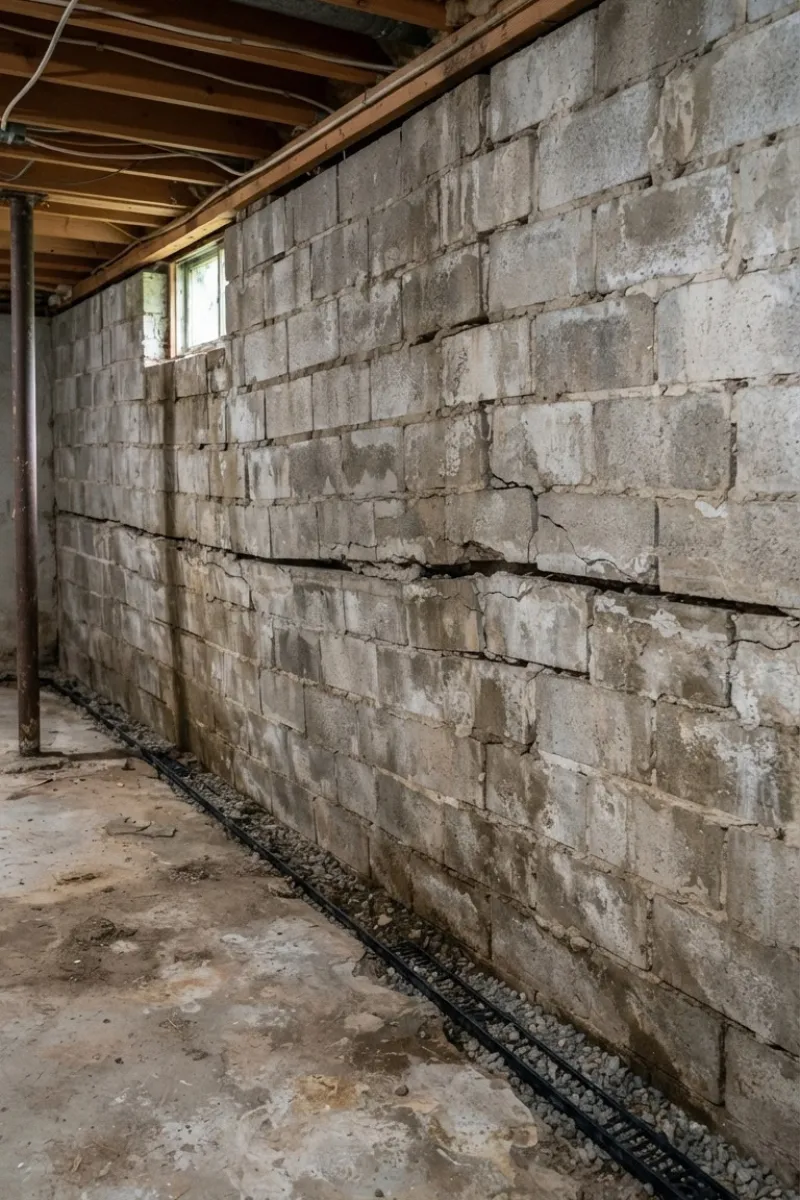
A foundation wall may curve inward, lean, or show visible displacement instead of remaining in its original alignment.
Soil pressure, water buildup, inadequate drainage, movement, or weakened wall construction may contribute.
The wall should be assessed to determine whether repair, stabilization, rebuilding, or further structural evaluation is appropriate.
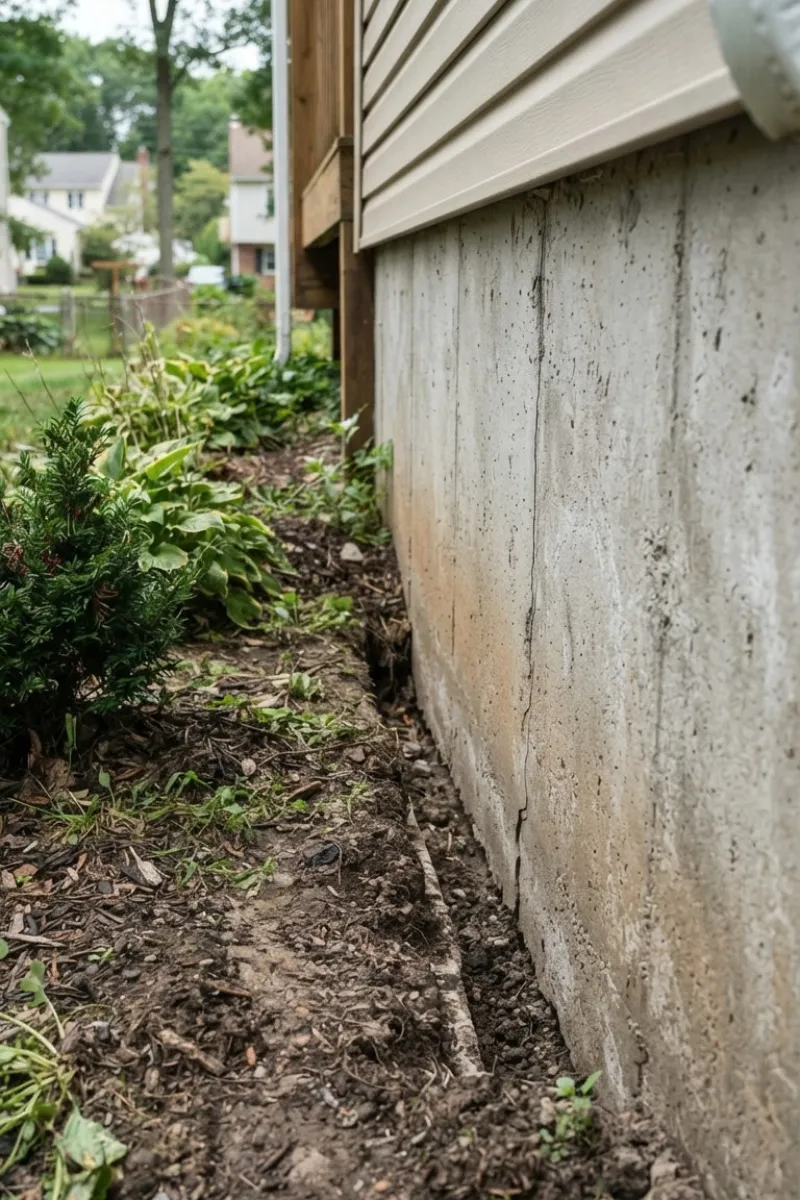
Parts of the structure may show cracking, separation, or movement that suggests changes in the supporting ground below.
Soil settlement, erosion, moisture changes, drainage problems, or movement beneath the foundation may contribute.
The pattern of movement should be evaluated before deciding what repair approach is appropriate.
Brick, block, stone, mortar, or concrete may become loose, powdery, cracked, or visibly deteriorated.
Moisture exposure, age, freeze-thaw cycles, long-term material deterioration, or poor previous repairs may contribute.
Damaged areas may require repointing, masonry replacement, concrete repair, or partial rebuilding depending on condition.
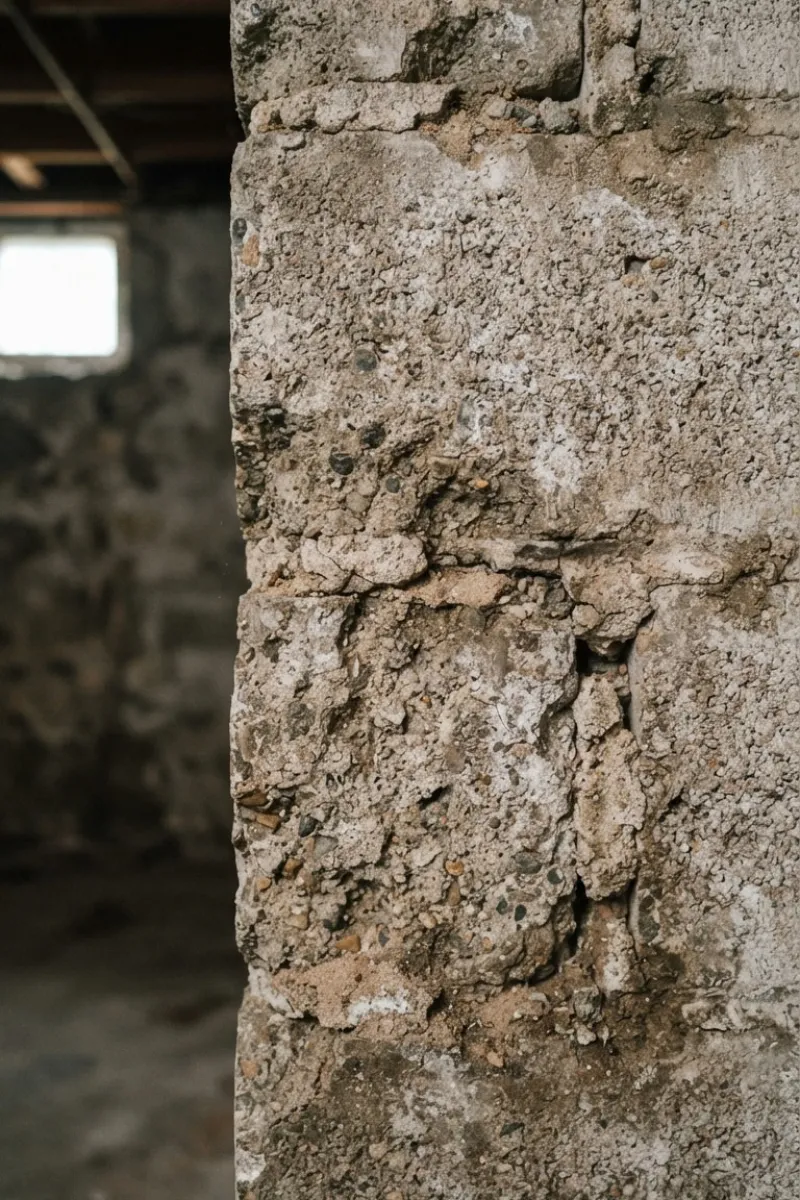
Mortar between foundation masonry units may become recessed, cracked, loose, or missing in localized or larger areas.
Age, moisture, movement, previous repair failure, or long-term weathering may contribute.
Stable masonry may be repointed after failed mortar is removed and surrounding movement is evaluated.
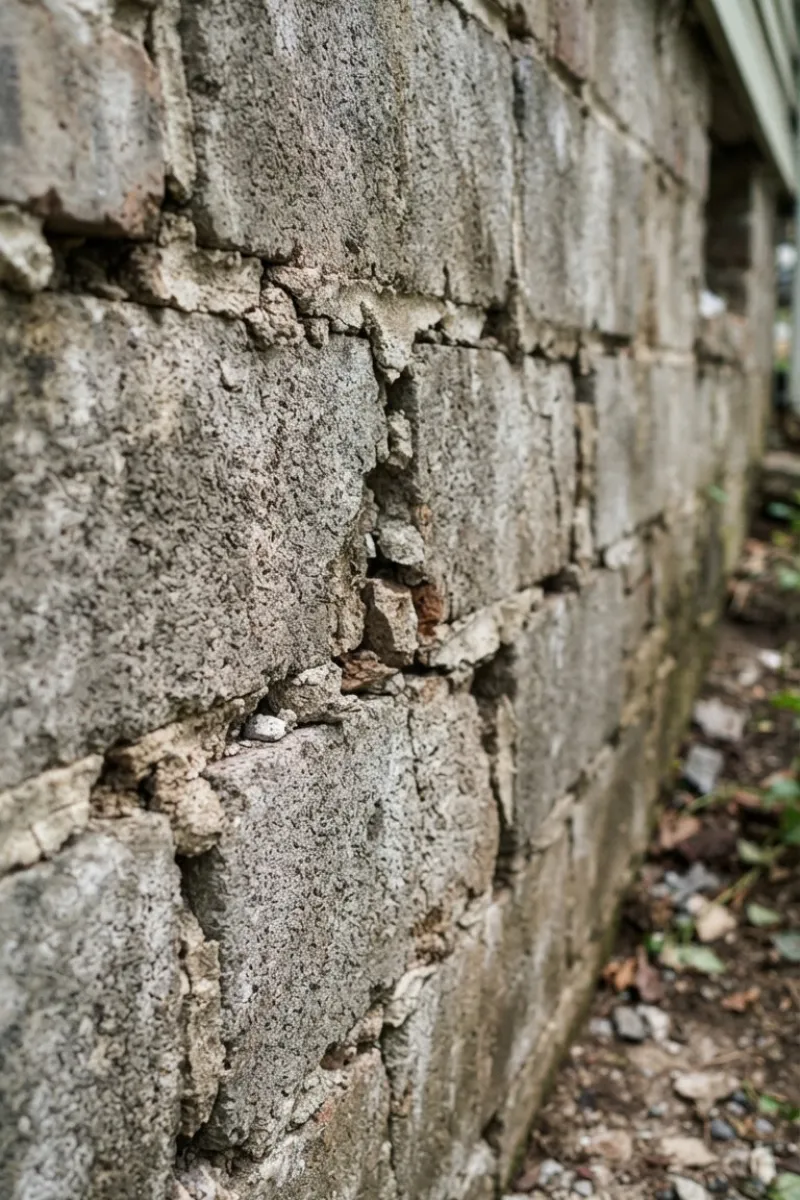
Foundation walls may show moisture staining, deterioration, leaks, softened mortar, or damage around recurring wet areas.
Poor drainage, hydrostatic pressure, grading, cracks, runoff, or prolonged water exposure may contribute.
The moisture source should be considered alongside the physical repair to reduce recurring deterioration.
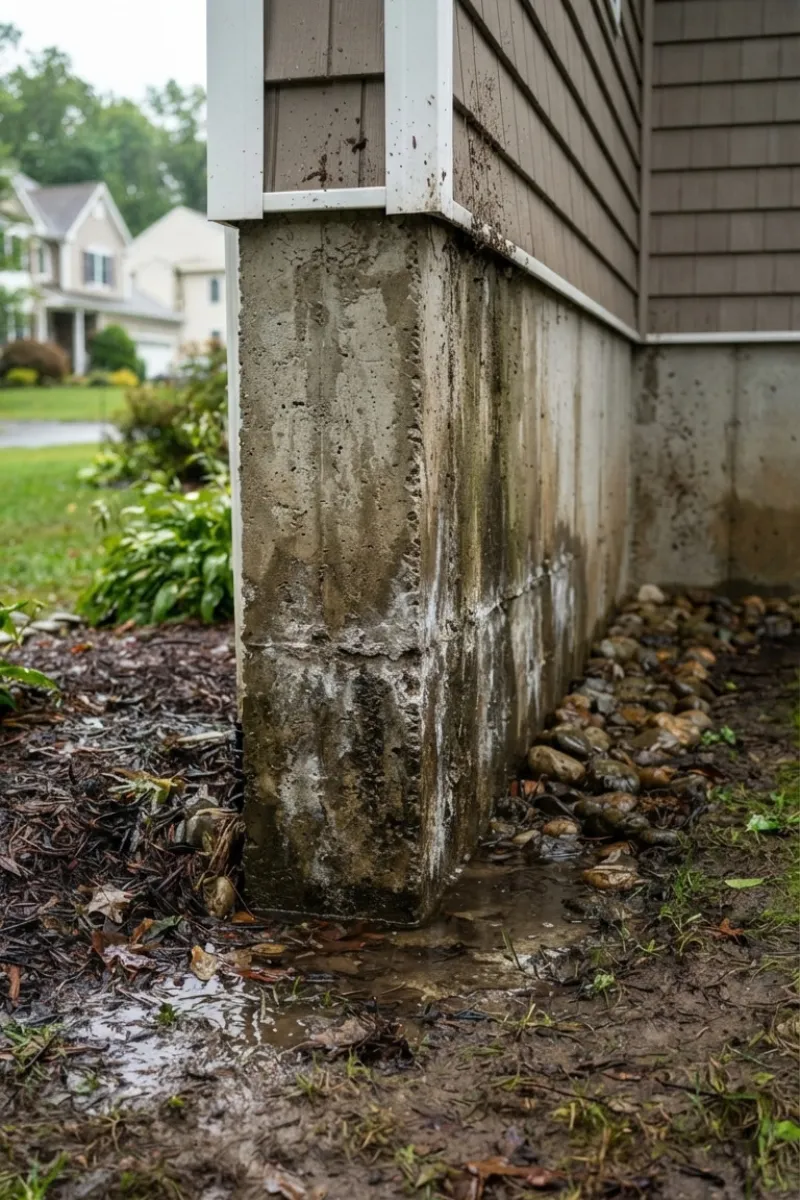
Foundation problems often involve a combination of movement, soil conditions, moisture, drainage, and material deterioration.
The ground beneath and around a foundation can change over time. Settlement or shifting soil may place uneven stress on the structure and contribute to cracking or movement.
Water accumulating in surrounding soil can increase pressure against foundation walls. This may contribute to moisture entry, wall movement, or deterioration in already weakened materials.
Water that repeatedly collects beside the foundation can increase moisture exposure and may contribute to erosion, pressure, or recurring basement problems.
Mortar can deteriorate, concrete can crack, and masonry units can weaken over time. Aging alone does not always mean the entire foundation needs rebuilding, but the damaged areas should be evaluated.
Where exterior foundation materials absorb moisture, repeated freezing and thawing can contribute to cracking, spalling, and surface deterioration.
Surface patching, incompatible mortar, or repairs completed without addressing movement or moisture can allow foundation problems to return.
The right repair depends on the foundation material, extent of movement, location of damage, moisture conditions, and whether the issue is stable or ongoing.
Localized cracks may be repaired using a method appropriate to the foundation material and crack condition.
Where movement is still active, repairing only the crack may not address the full problem.
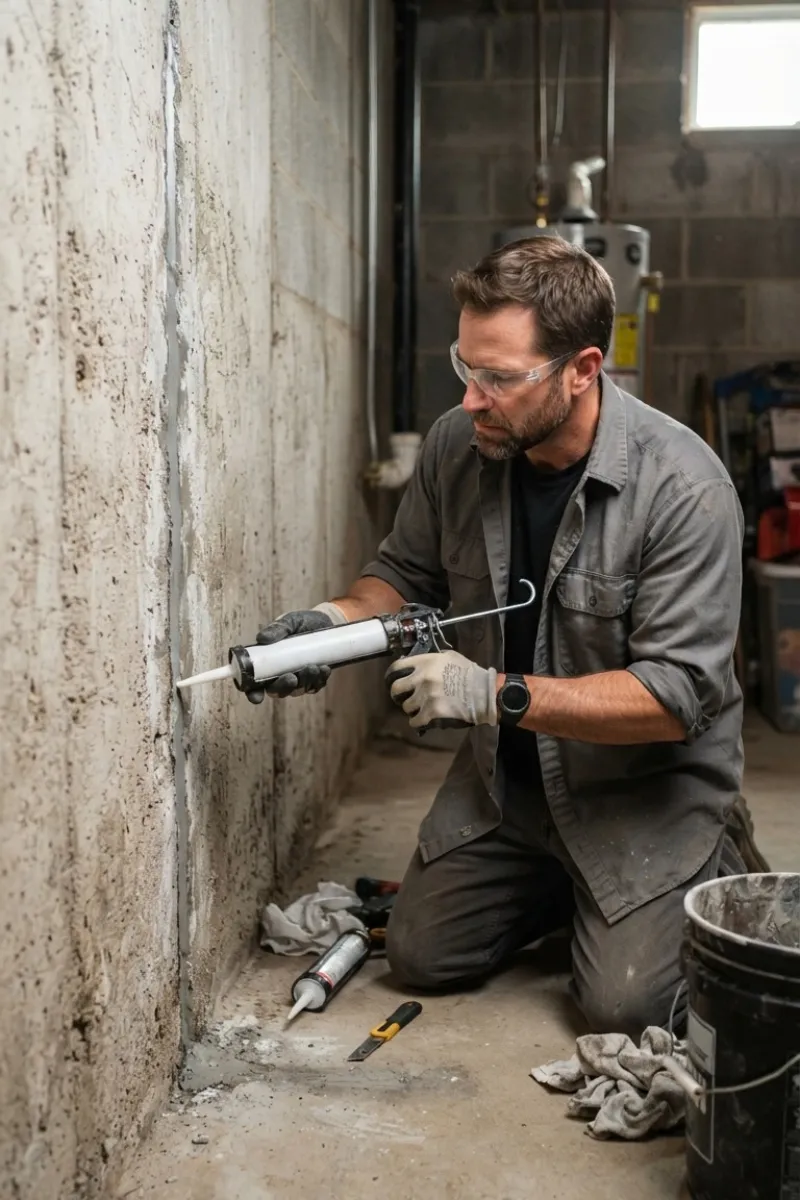
Loose or deteriorated mortar may be removed and replaced where brick, block, or stone remains stable.
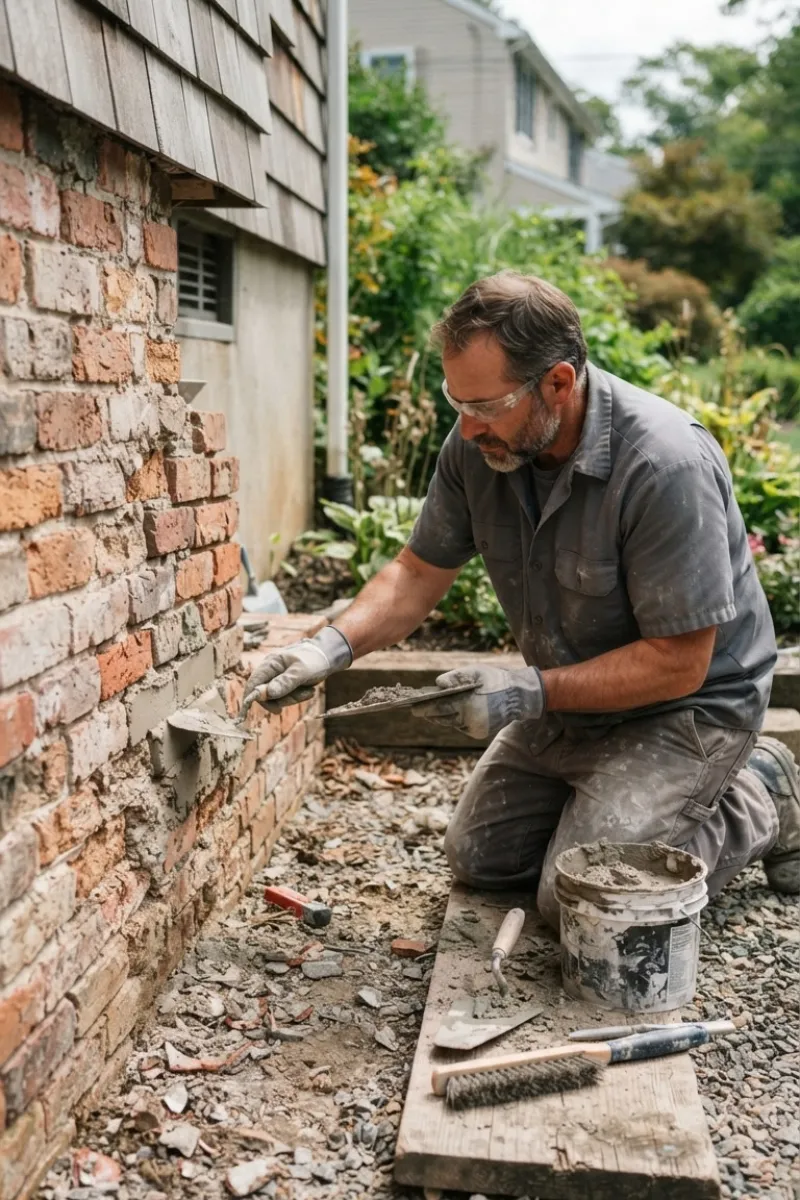
Individual damaged bricks, blocks, or stones may sometimes be removed and replaced while surrounding serviceable masonry remains in place.
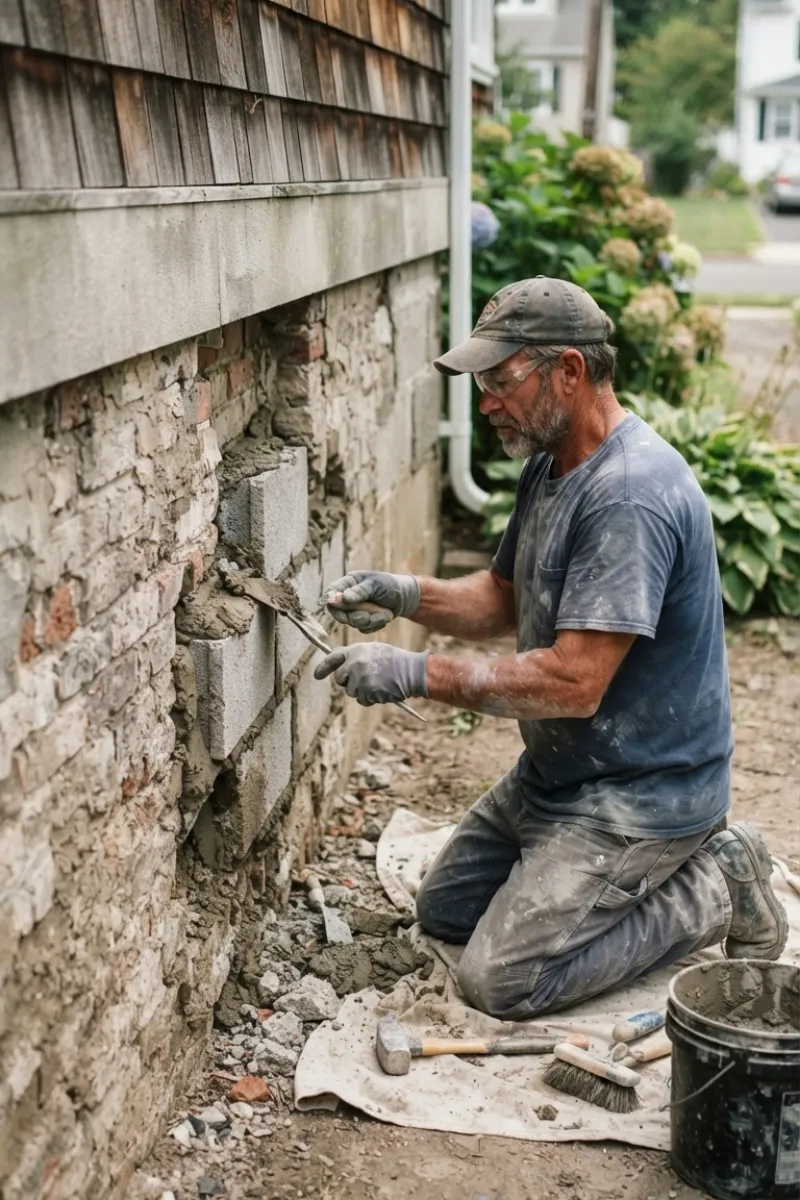
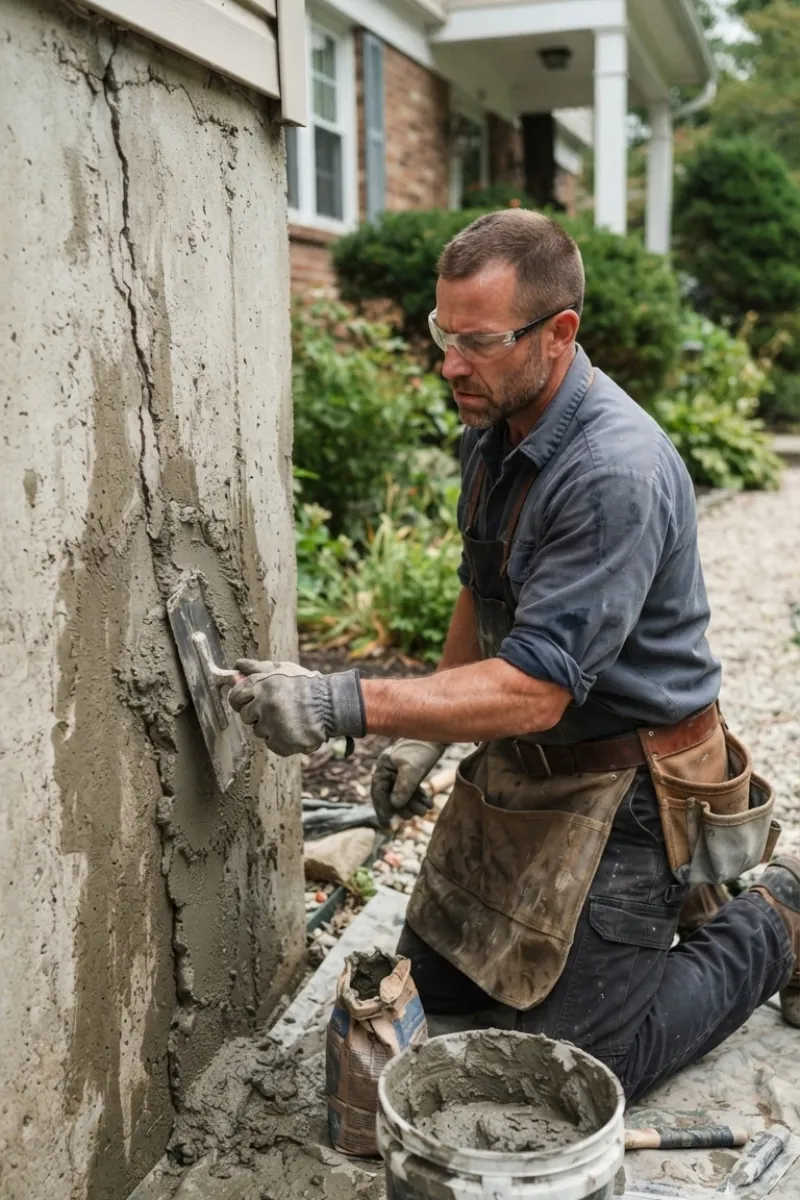
Localized concrete damage may be repaired where the surrounding material remains sound. More extensive deterioration or movement may require broader corrective work.
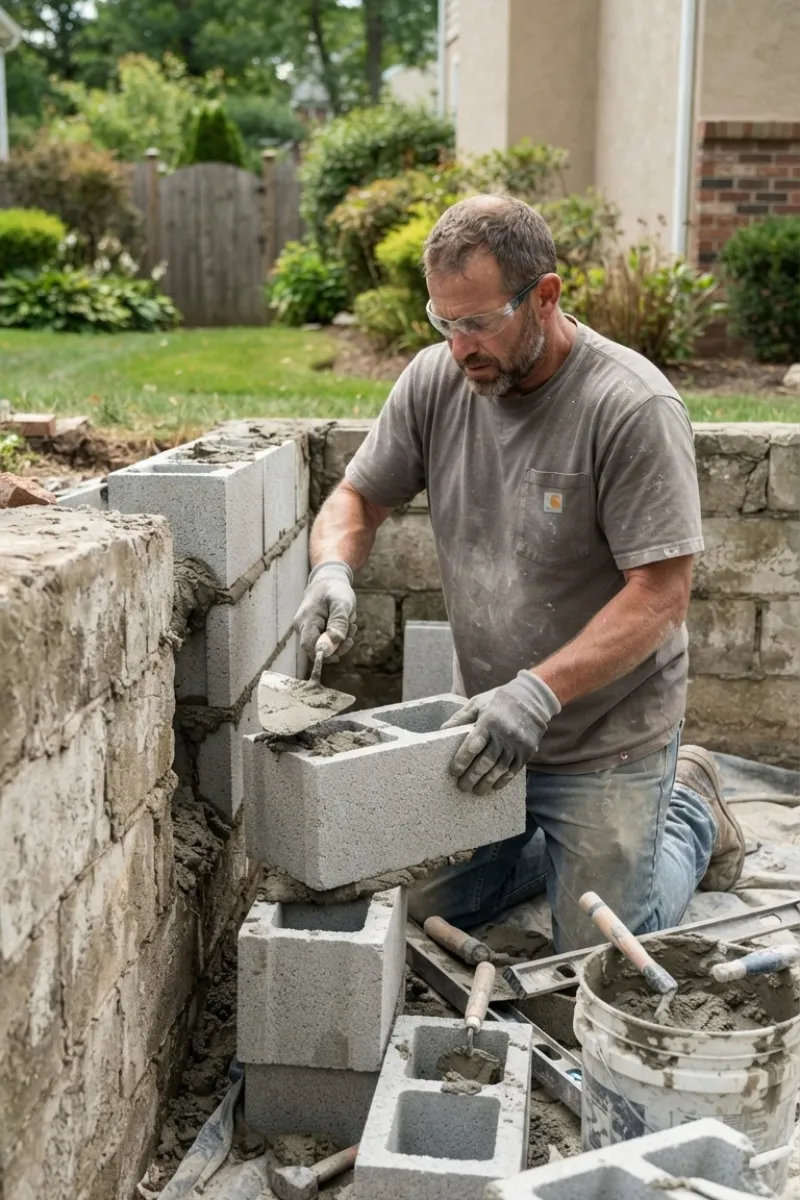
Where a defined section has significantly deteriorated or moved, partial rebuilding may be more appropriate than repeated patching.
The appropriate level of foundation work depends on how much of the wall or structure remains stable and serviceable.
A minor repair may be appropriate where the problem is limited to an isolated crack, small area of deteriorated mortar, or individual damaged masonry unit.
Restoration may involve repointing, replacing damaged masonry, or repairing concrete while retaining most of the existing foundation.
Partial rebuilding may be more appropriate where one defined section has moved, deteriorated, or become unstable.
More extensive corrective work or rebuilding may be necessary where movement is widespread, bowing is significant, multiple sections are displaced, or recurring repairs have not addressed the underlying condition.
The decision should consider crack patterns, wall alignment, foundation material, moisture exposure, drainage, soil pressure, settlement, previous repairs, and the overall stability of the structure.
Foundation work should address the actual condition rather than simply hiding visible damage.
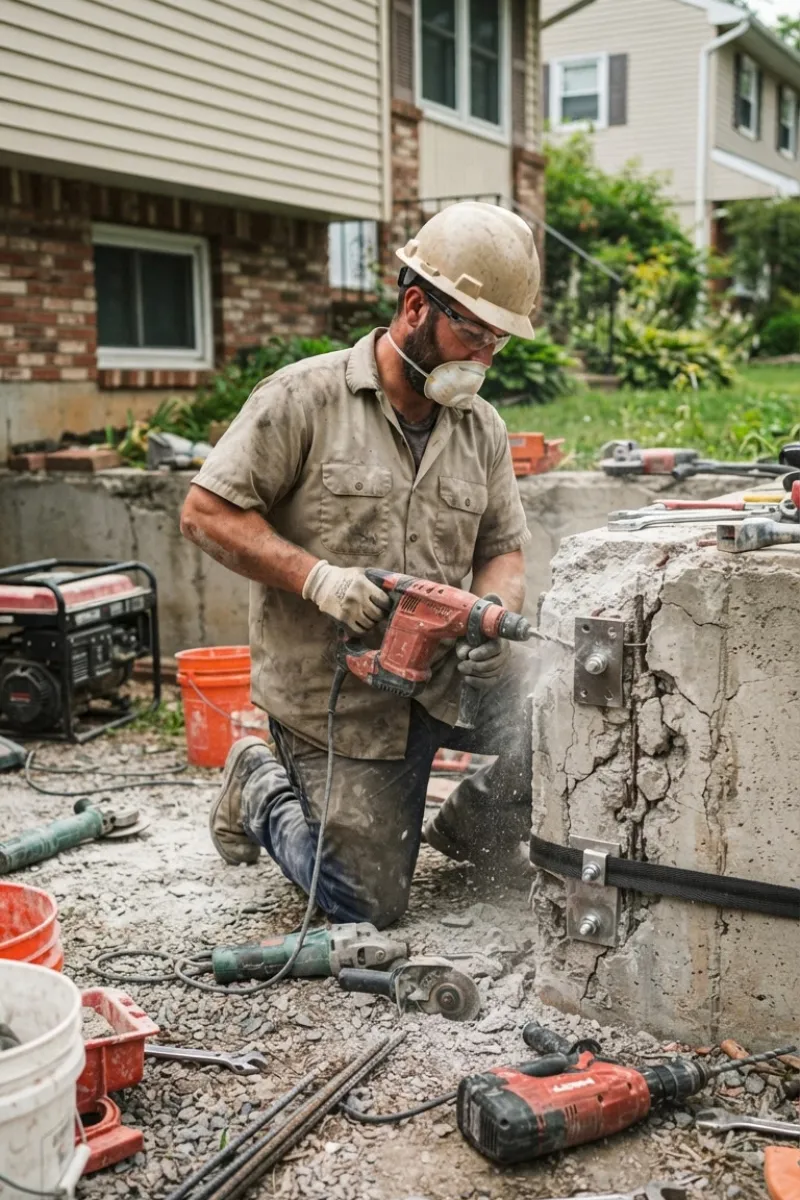
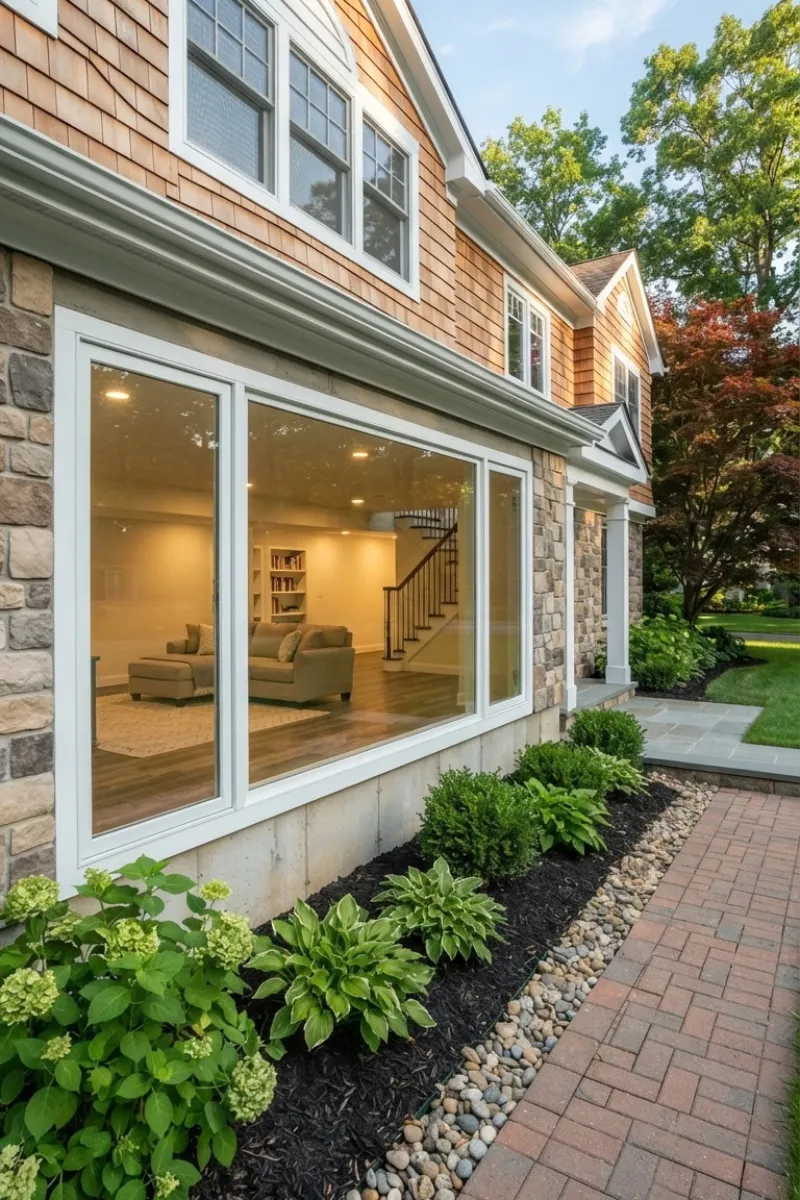
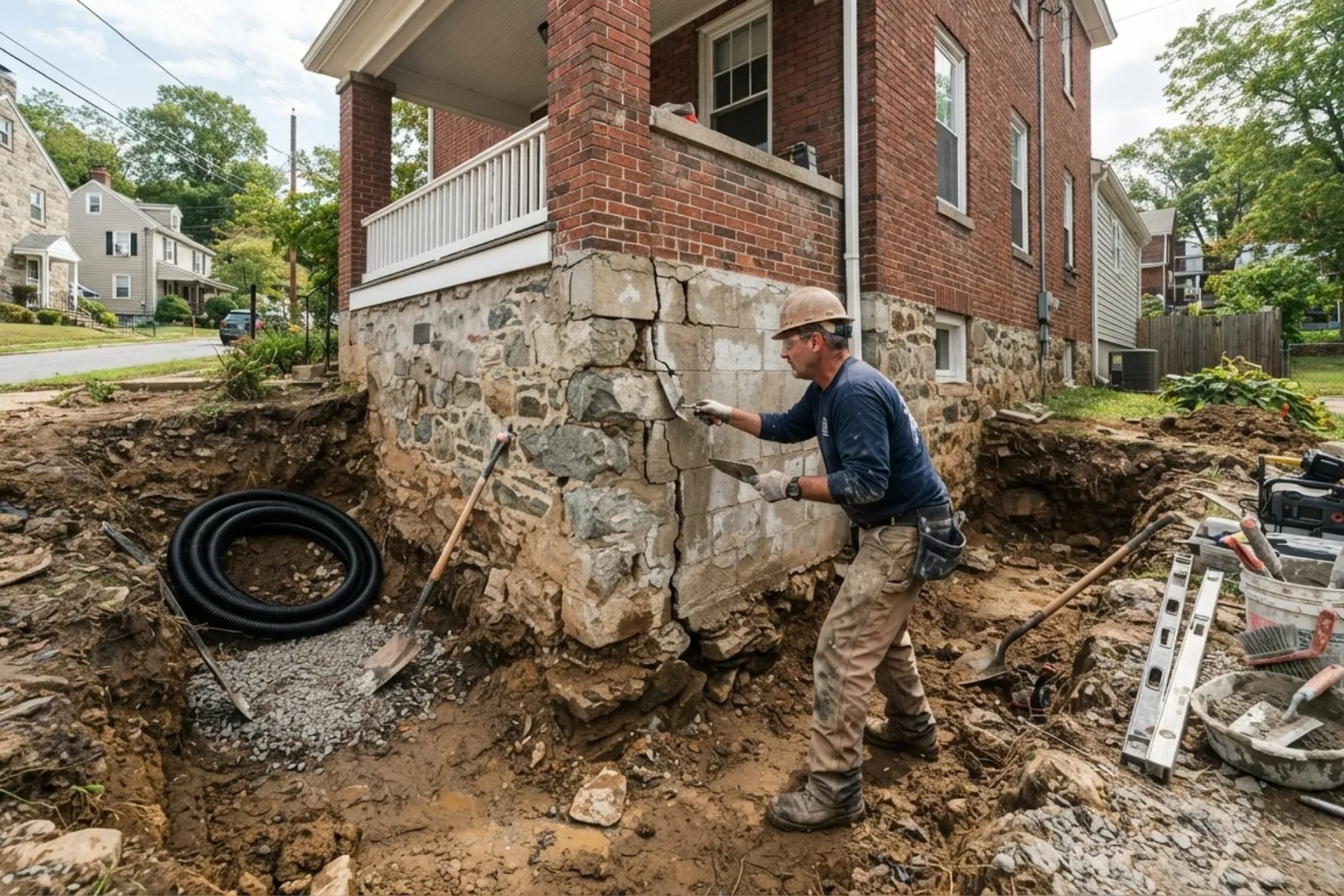
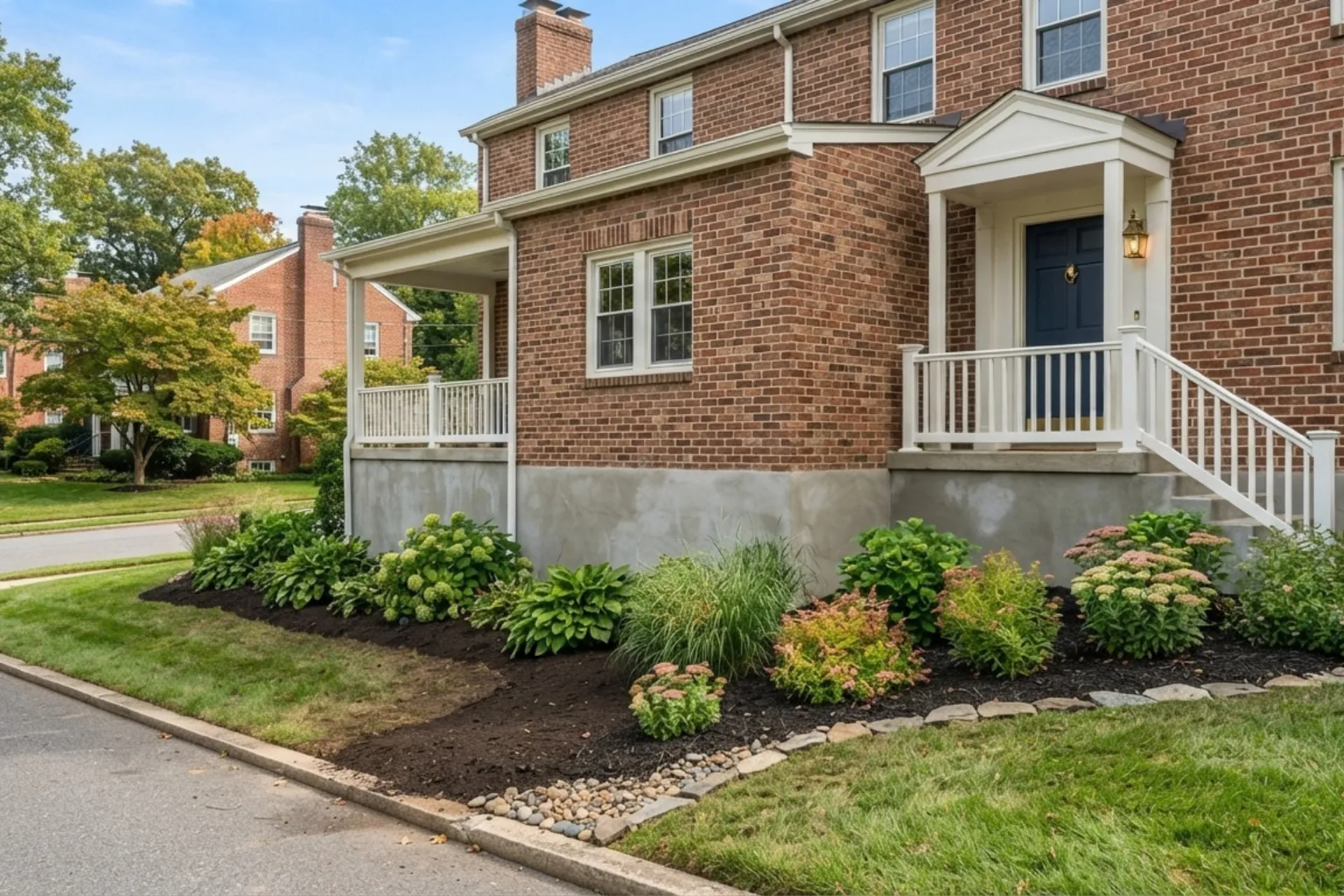
We review cracks, wall condition, moisture signs, masonry joints, basement windows, wall-floor areas, and exterior foundation conditions.
We evaluate grading, downspouts, hardscapes, retaining walls, steps, patios, driveways, and other areas that may direct water toward the foundation.
We determine whether the damage appears related to settlement, water pressure, mortar deterioration, soil movement, drainage failure, or connected exterior problems.
We recommend crack repair, masonry repair, repointing, waterproofing, French drains, sump pumps, exterior drainage, or a combined approach.
The selected foundation, masonry, waterproofing, or drainage work is completed using suitable materials and methods.
We review the completed work for workmanship, water-management function, and connection to surrounding property conditions.
Optane is based in Elizabeth, making North Jersey the primary service area. Masonry and hardscape services are available across nearby communities, with selected New York coverage provided as an additional service region.
Serving New Jersey property owners with reliable masonry, foundation, drainage, roofing, and exterior improvement solutions.
Providing masonry, foundation, drainage, roofing, and home improvement services across communities throughout New York.
Property owners can review actual Optane work before discussing their own masonry or exterior improvement project.
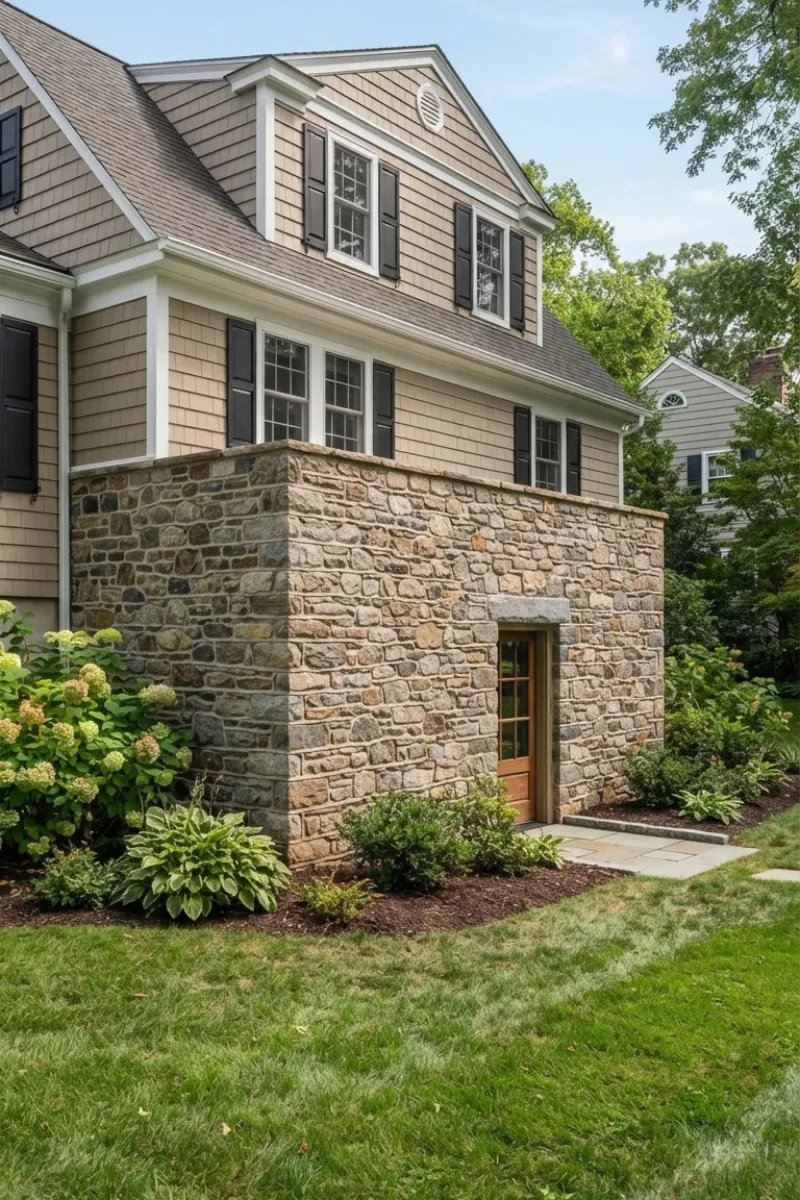
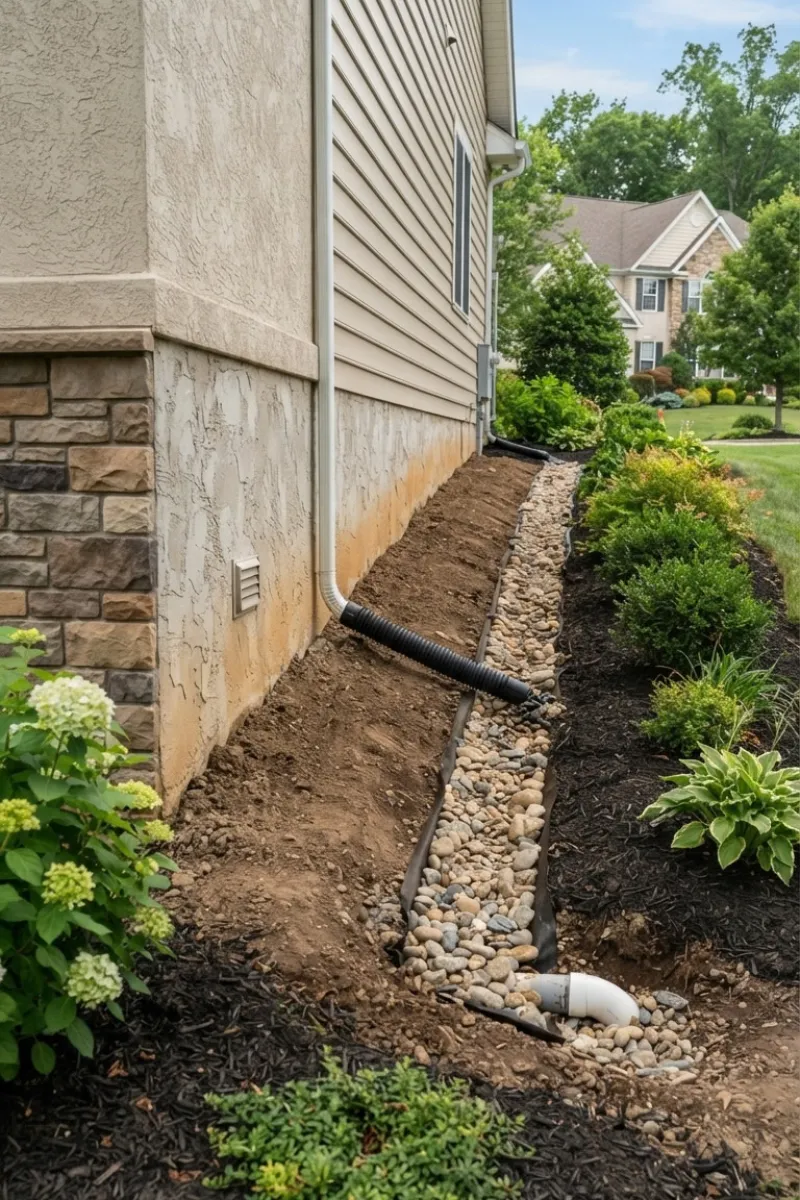
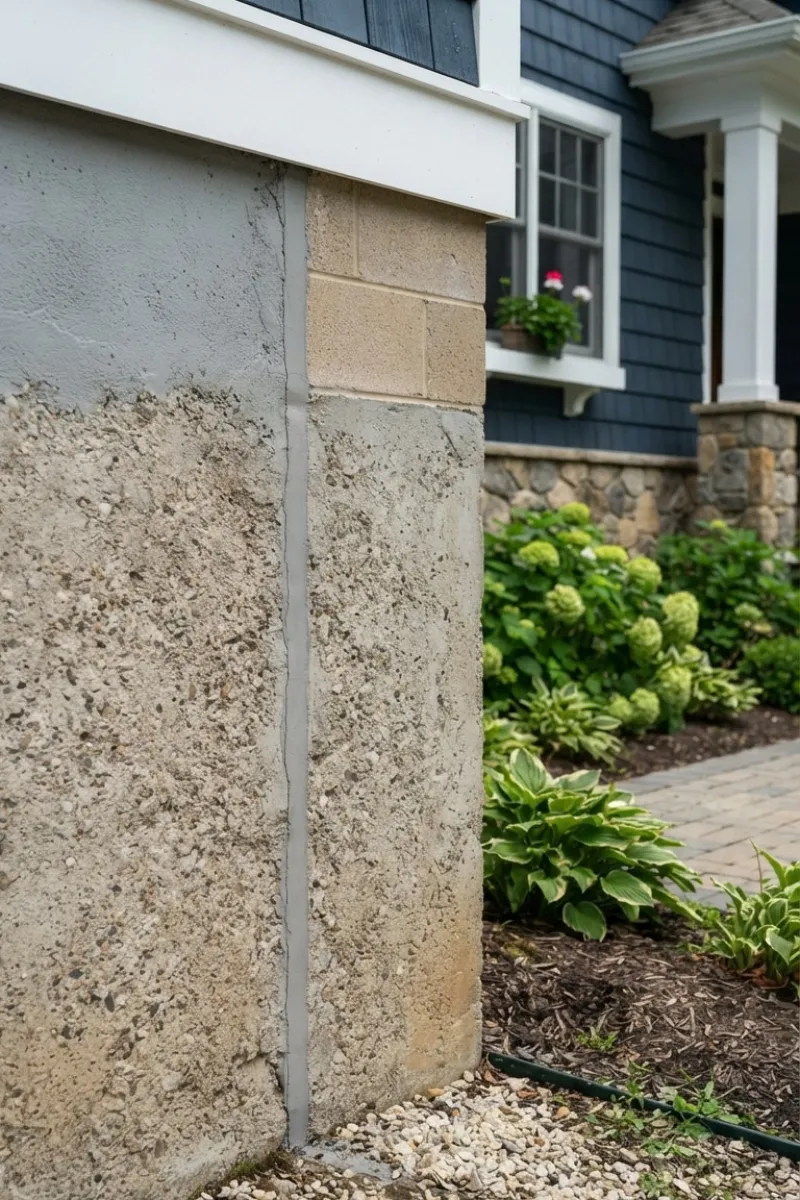
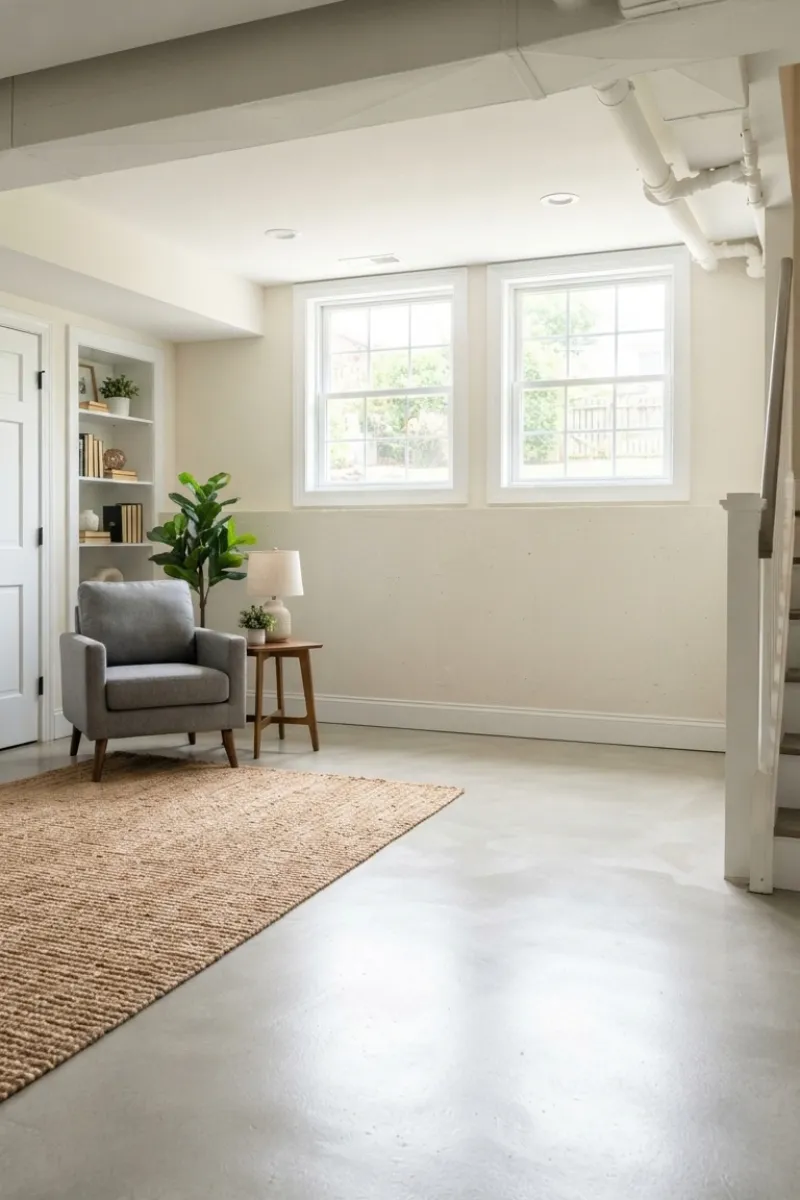
Before choosing a contractor, property owners can review genuine customer feedback published by Optane.
Optane is based in Elizabeth and primarily serves North Jersey properties.
Services may address cracks, damaged mortar, masonry units, concrete, and localized wall deterioration.
Visible cracks and wall movement are considered alongside drainage, soil pressure, moisture, and surrounding conditions.
Where practical, localized foundation damage may be repaired while stable portions of the existing wall remain in place.
If foundation problems are connected to basement moisture or drainage, related services can also be considered.
HIC License: HIC.0703840
Optane Masonry & Home Improvements provides a range of exterior, structural, drainage, waterproofing, and home improvement services.
Foundation cracks, wall movement, deteriorated masonry, settlement, and water-related damage can require different repair methods depending on the cause and extent of the problem. Optane Masonry & Home Improvements provides foundation repair services from its Elizabeth, NJ base throughout North Jersey and selected New York areas.
Common signs include cracks, bowing, leaning, open joints, loose masonry, concrete deterioration, or visible movement. Some damage may remain localized, while other signs can indicate broader settlement or pressure. The surrounding condition should be evaluated before choosing a repair method.
No. Foundation cracks can develop for different reasons, and not every crack indicates major structural movement. The width, direction, location, surrounding wall condition, and whether the crack is changing over time should all be considered before deciding how it should be repaired.
Possibly, depending on the amount of movement, wall material, soil pressure, and overall condition. Bowing walls generally require more evaluation than ordinary surface cracks because the movement may involve pressure from surrounding soil or water.
Often, yes. Localized deteriorated mortar, individual blocks, bricks, or stones may sometimes be repaired or replaced while the remaining foundation stays in place. More extensive rebuilding may be needed where movement or deterioration is widespread.
Yes. Optane Masonry & Home Improvements is based in Elizabeth, NJ, with North Jersey serving as the primary foundation repair service region. Service may be available throughout Elizabeth and nearby communities including Union, Linden, Hillside, Roselle, Cranford, Rahway, Newark, and other selected areas.
Optane also provides selected New York coverage in addition to its North Jersey market. Staten Island is part of the current retained New York service area. Property owners can contact the New York number to discuss their foundation condition and service availability.
914-438-8461
201-982-2375