
Optane Masonry & Home Improvements provides professional basement repair services from our Elizabeth, NJ base, serving homeowners throughout North Jersey and selected New York areas.
Optane Masonry & Home Improvements is based in Elizabeth, NJ and provides basement repair services throughout Elizabeth and surrounding North Jersey communities.
Basement walls can experience conditions that are different from above-grade masonry. Soil contact, below-grade moisture, water pressure, drainage, and foundation movement can all affect the condition of concrete and masonry over time.
From our Elizabeth base, service may be available in Union, Linden, Hillside, Roselle, Roselle Park, Cranford, Rahway, Newark, Springfield, and other selected North Jersey communities.
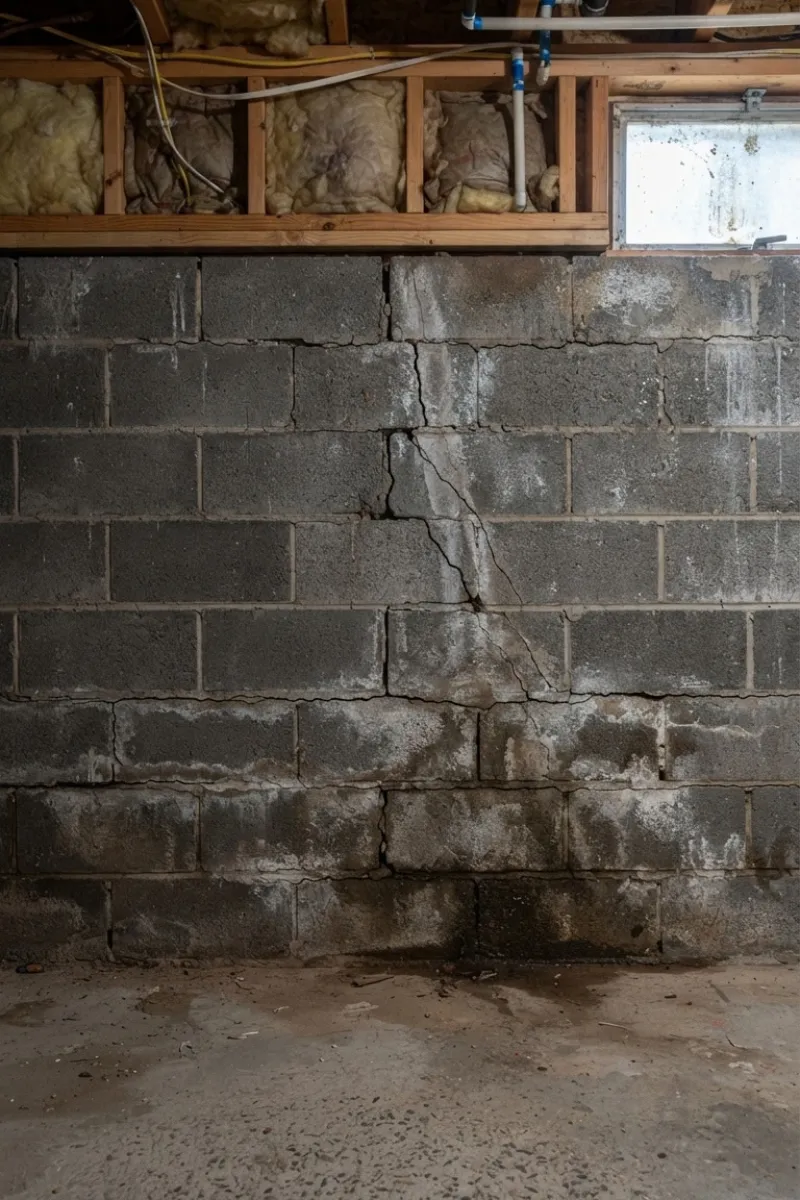
Cracks can appear in concrete, block, brick, stone, or mortar joints. Some remain localized, while others may indicate movement or settlement.
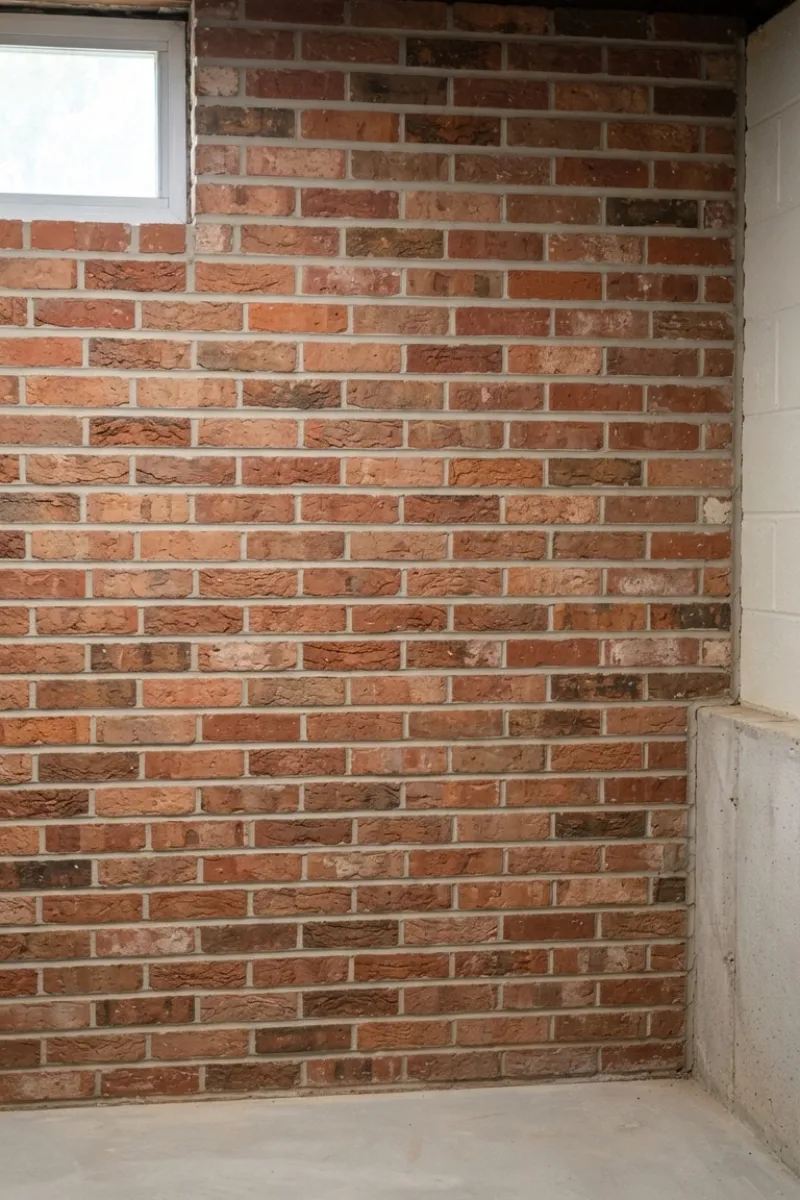
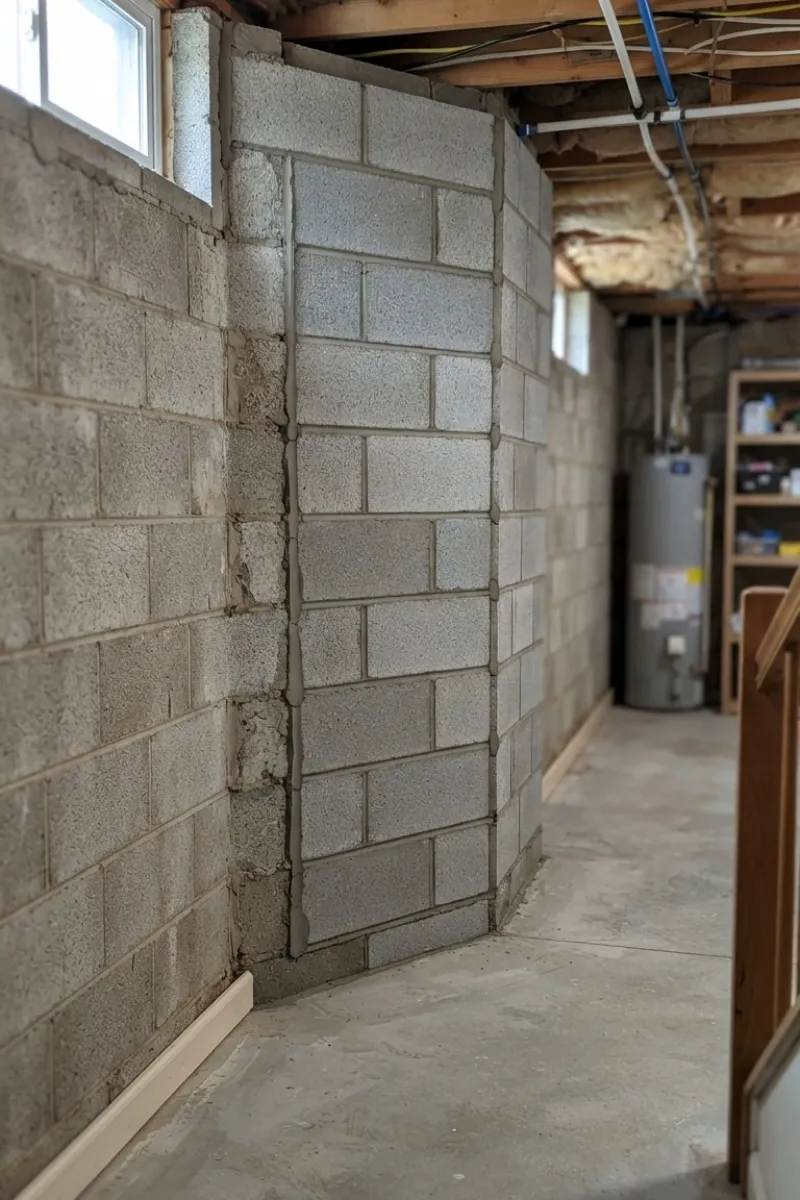
Brick, block, and stone basement walls can develop loose mortar, damaged units, surface deterioration, or localized movement.
Concrete basement walls and floors can develop cracks, spalling, broken edges, or localized surface damage.
Mortar joints in older basement masonry can become loose, recessed, powdery, or partially missing.
Sections of basement masonry that are badly deteriorated, displaced, or no longer suitable for simple repair may require partial rebuilding.
Basement repair is different from basement waterproofing. Waterproofing focuses primarily on controlling moisture and water entry, while basement repair addresses physical damage to basement walls, masonry, concrete, joints, and other affected areas. In many properties, the two can overlap. A damaged basement wall may need repair, but recurring moisture should also be considered before the surface is restored.
Basement damage can have different causes, even when the visible symptoms appear similar. A wall crack may result from shrinkage, while another may be associated with settlement or pressure. Moisture can also accelerate deterioration in already weakened masonry.
Cracks may appear through concrete, masonry units, or mortar joints and can vary in width, direction, and location.
Settlement, shrinkage, soil pressure, movement, aging materials, or water-related conditions may contribute.
The crack should be evaluated before deciding whether localized repair, masonry work, or further foundation repair is appropriate.
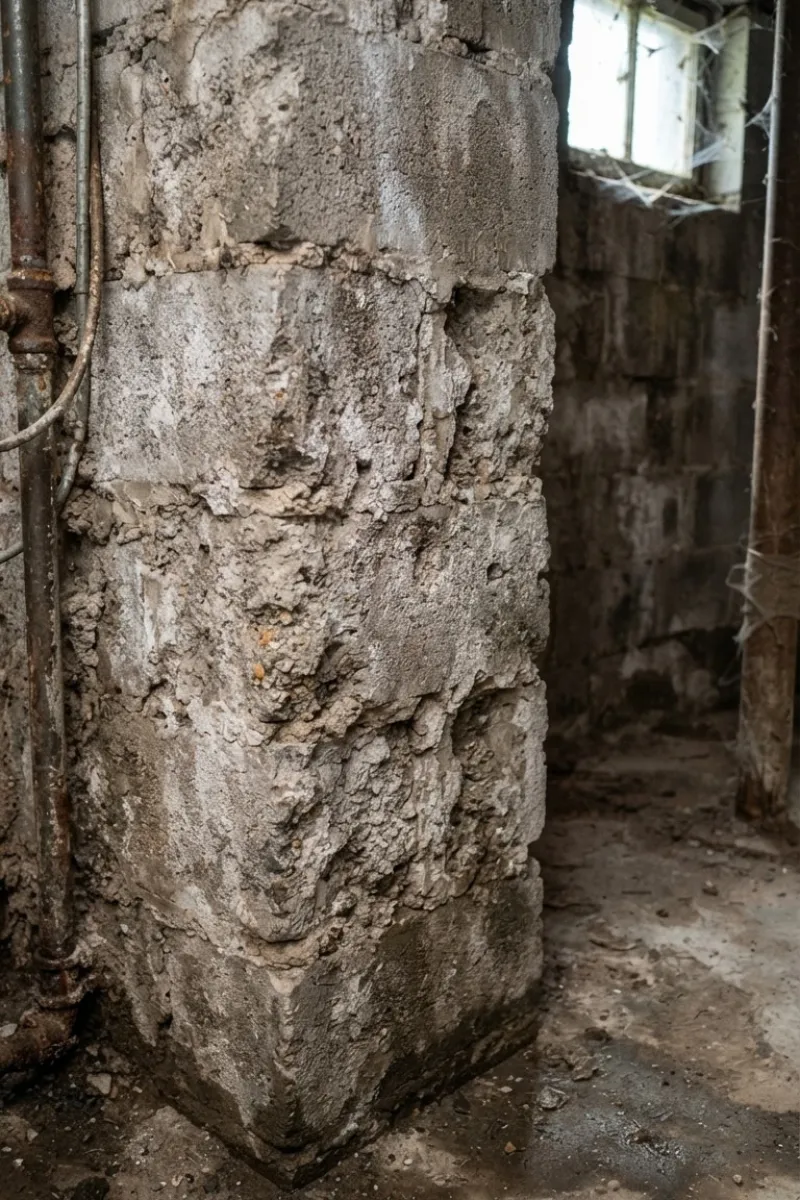
Wall surfaces, mortar, block, stone, or concrete may become loose, powdery, flaking, or visibly deteriorated.
Moisture exposure, age, freeze-thaw effects near exterior walls, salt deposits, or material deterioration may contribute.
Loose material should be assessed before repointing, surface repair, masonry replacement, or partial rebuilding is considered.
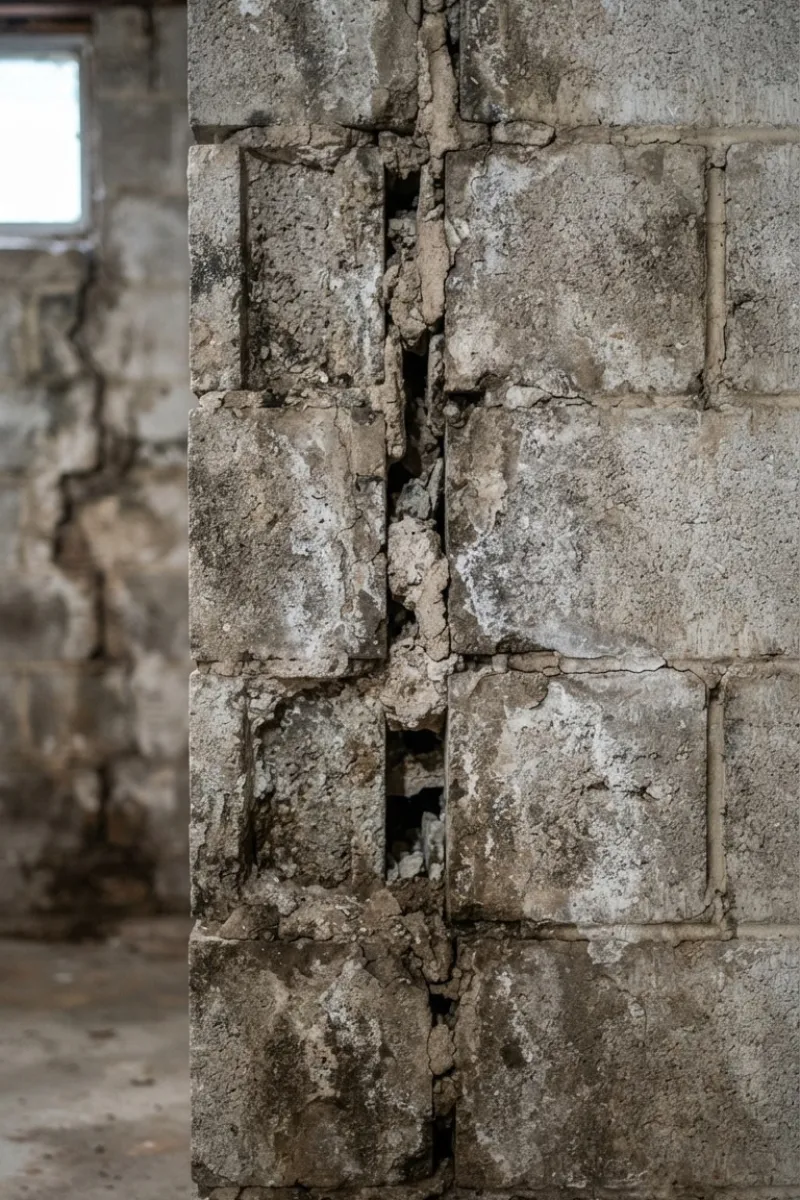
Mortar joints may become recessed, cracked, loose, or missing between brick, block, or stone basement walls.
Age, moisture, poor previous repairs, movement, or long-term material deterioration may contribute.
Stable masonry may be repointed after deteriorated mortar is removed and the wall is checked for movement.
Basement walls may show staining, softened surfaces, peeling finishes, or damaged masonry near recurring wet areas.
Leaks, hydrostatic pressure, exterior drainage, condensation, or repeated moisture exposure may contribute.
The moisture source should be identified before damaged wall surfaces or masonry are repaired.
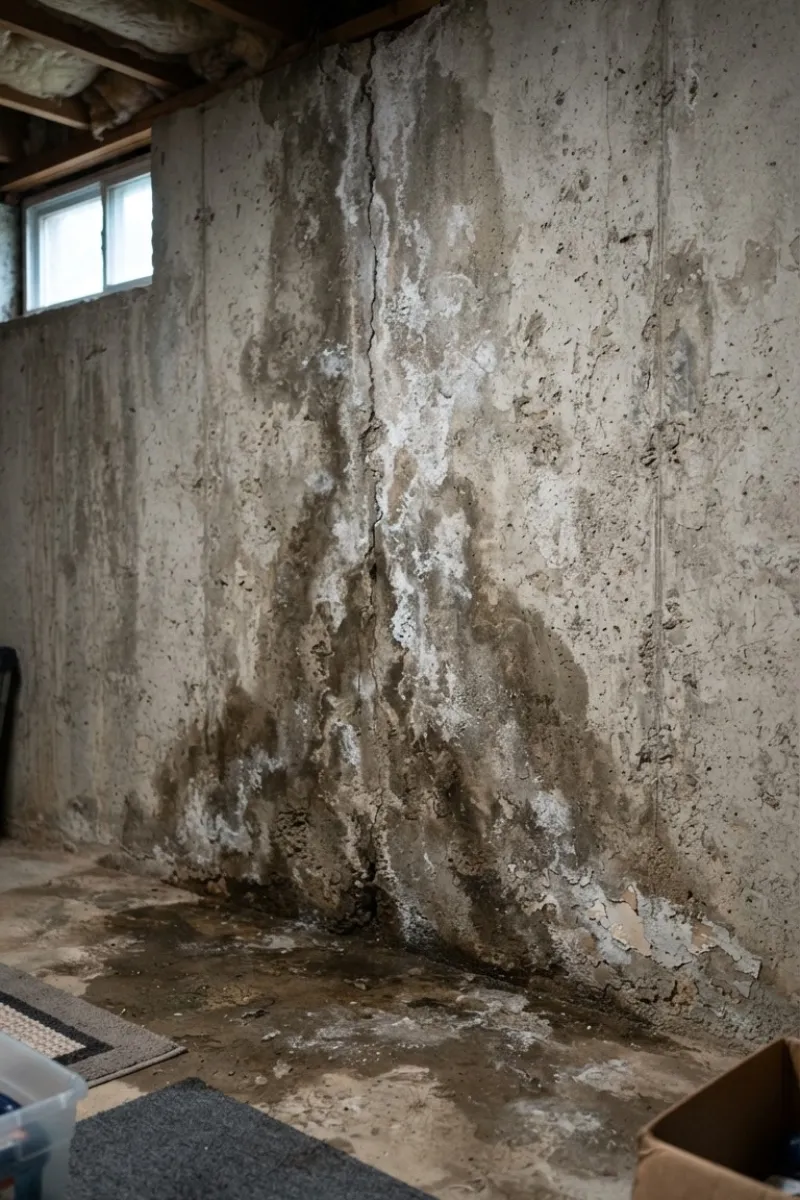
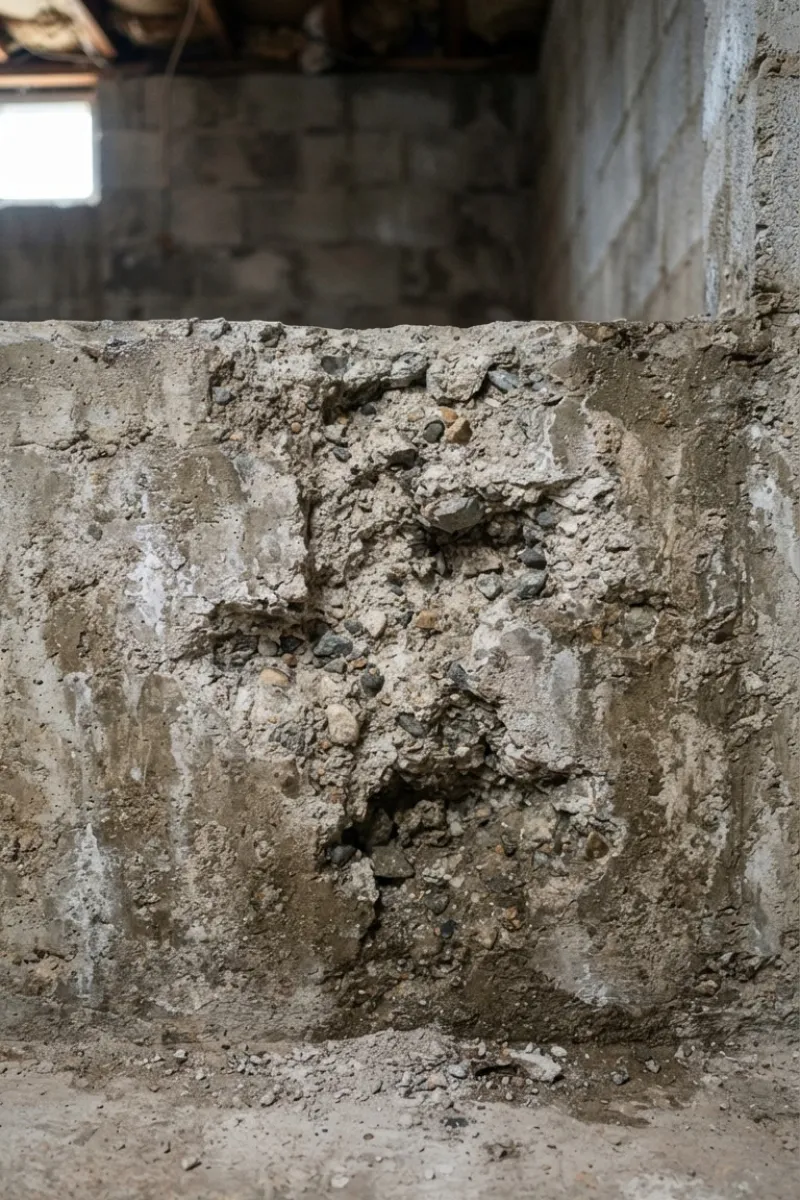
Concrete walls or floors may chip, flake, crack, or lose surface material in isolated basement areas.
Moisture, aging concrete, impact, corrosion-related damage, movement, or previous poor-quality repairs may contribute.
The area should be evaluated to determine whether localized concrete repair or more extensive work is appropriate.
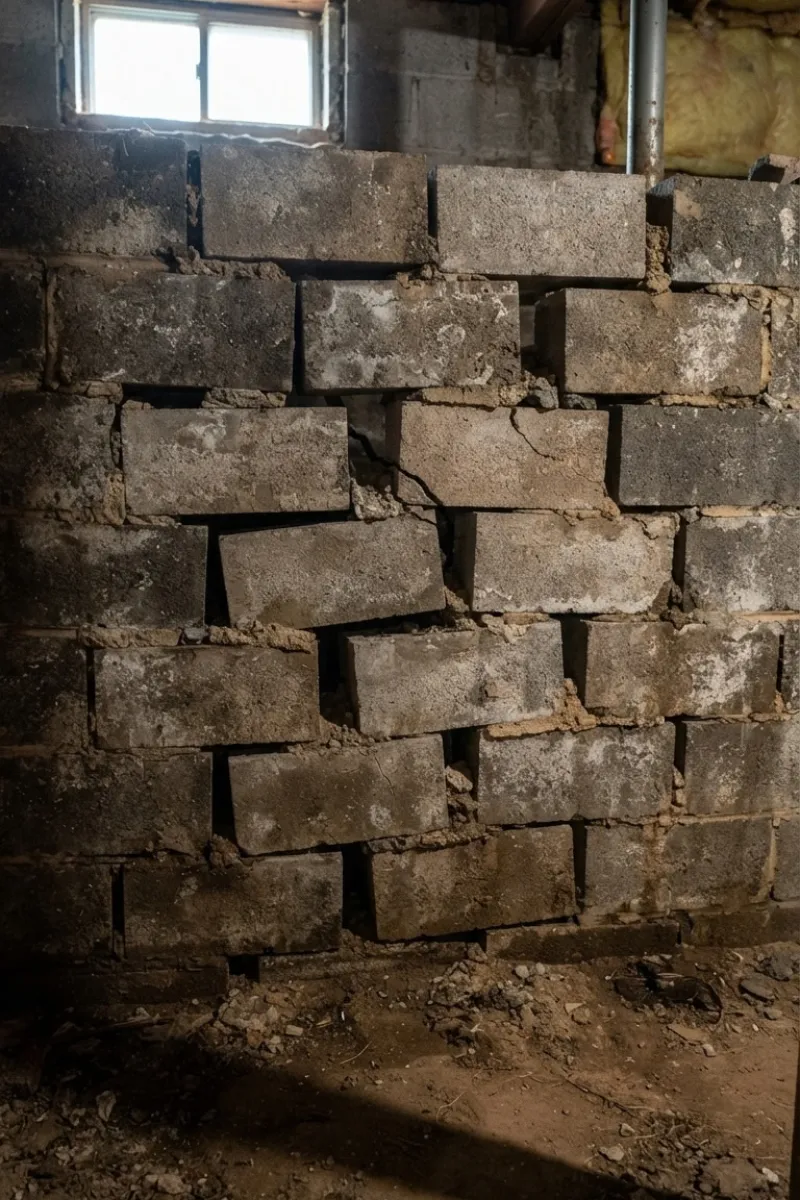
Brick, block, or stone sections may loosen, shift, separate, or become visibly misaligned within a basement wall.
Mortar failure, settlement, pressure, moisture, structural movement, or deterioration beneath the surface may contribute.
The affected area should be assessed before choosing between resetting, rebuilding, or broader foundation repair.
Basement repair problems often develop because below-grade walls are exposed to moisture, soil pressure, movement, and long-term material aging.
Repeated moisture can weaken mortar, damage finishes, contribute to spalling, and accelerate deterioration in brick, block, stone, or concrete.
The repair may fail again if the moisture source is not considered.
Settlement or movement can create cracks, separation, or displacement within basement walls.
If visible damage is caused by continuing movement, surface repair alone may not be enough.
Water building up in surrounding soil can place pressure against below-grade walls. This may contribute to leaks, dampness, cracking, or existing wall deterioration.
Mortar can soften, concrete can deteriorate, and individual masonry units may weaken over time.
Older materials may still be repairable if the surrounding wall remains stable.
Water that repeatedly collects near the foundation can increase moisture exposure around basement walls.
Drainage should be considered where wet areas or recurring deterioration are present.
Surface patches, incompatible mortar, or repairs completed without addressing movement or moisture can fail and leave the same problem visible again.
The right repair depends on the wall material, location of damage, extent of deterioration, moisture conditions, and whether movement is present.
Localized basement wall cracks may be repaired using a method appropriate to the material and condition.
Where cracks are linked to movement, additional foundation work may need to be considered.
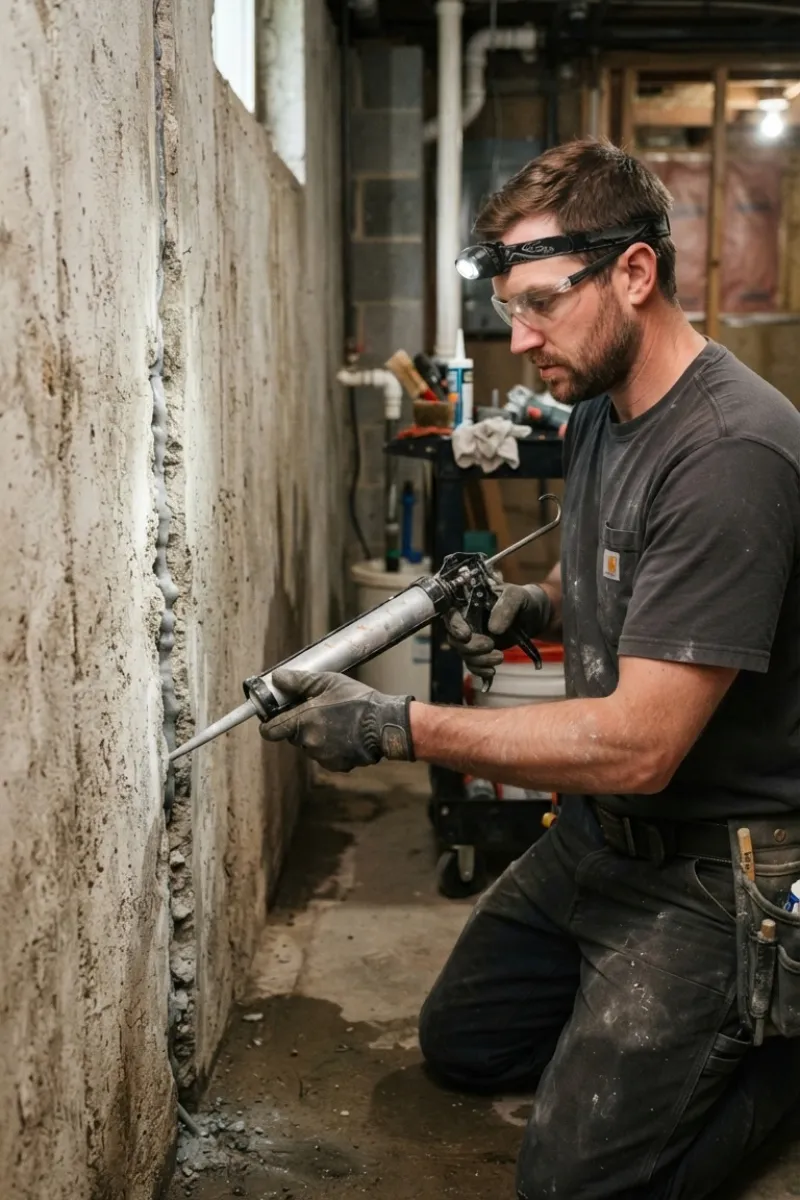
Loose or deteriorated mortar can be removed and replaced where brick, block, or stone remains stable.
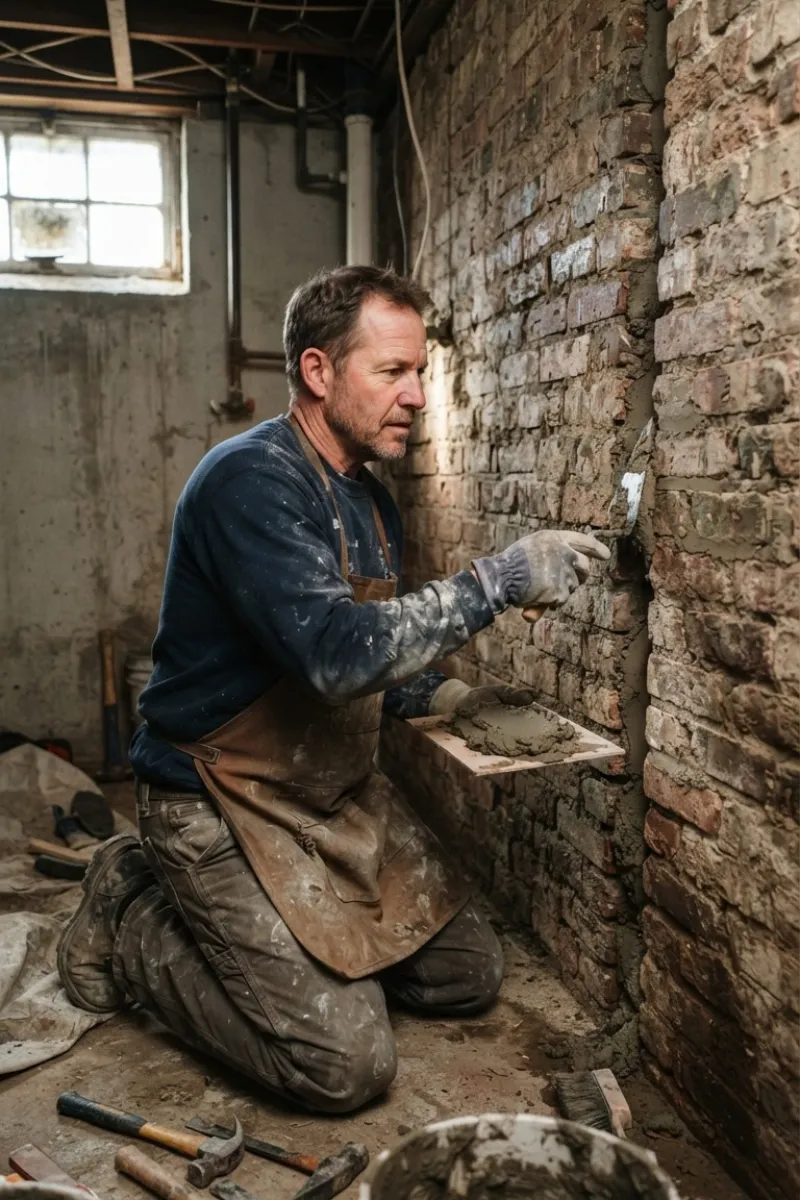
Individual damaged blocks, bricks, or stones may sometimes be removed and replaced while retaining surrounding serviceable wall material.
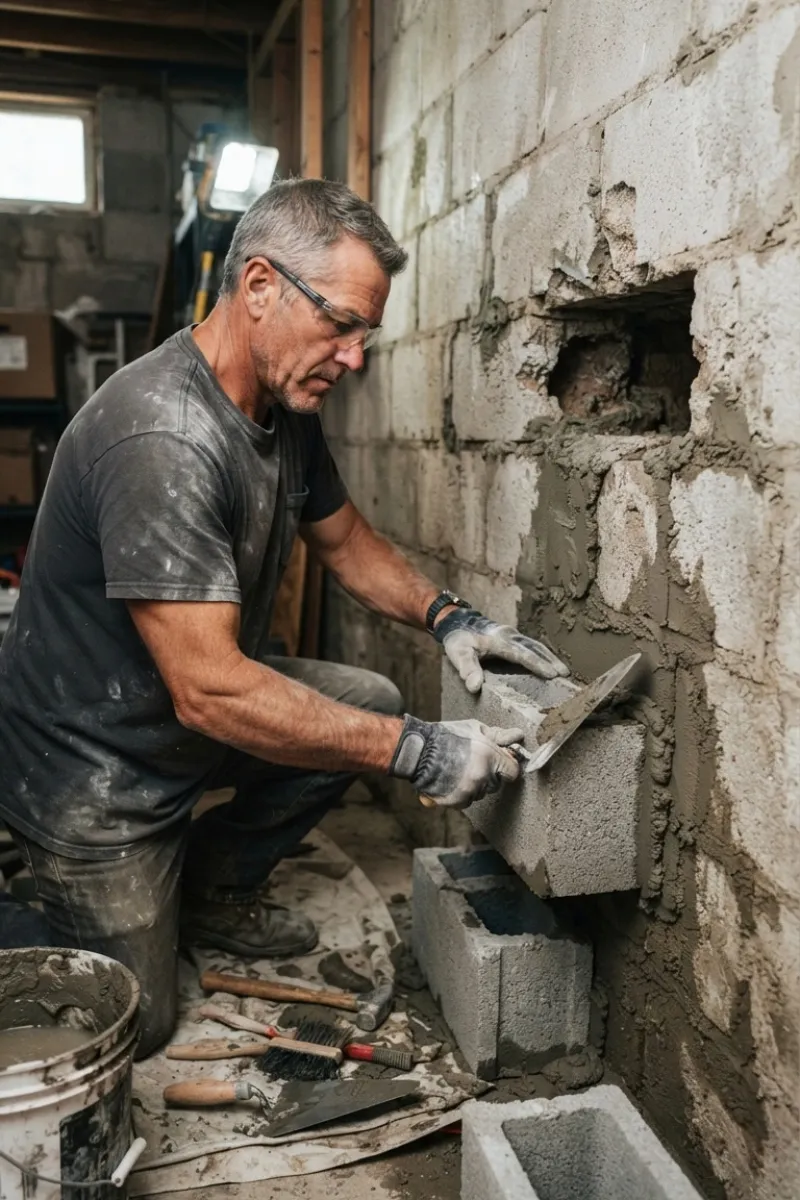
Localized concrete deterioration may be prepared and repaired where the underlying material remains suitable.
More extensive damage may require removal and replacement of the affected section.
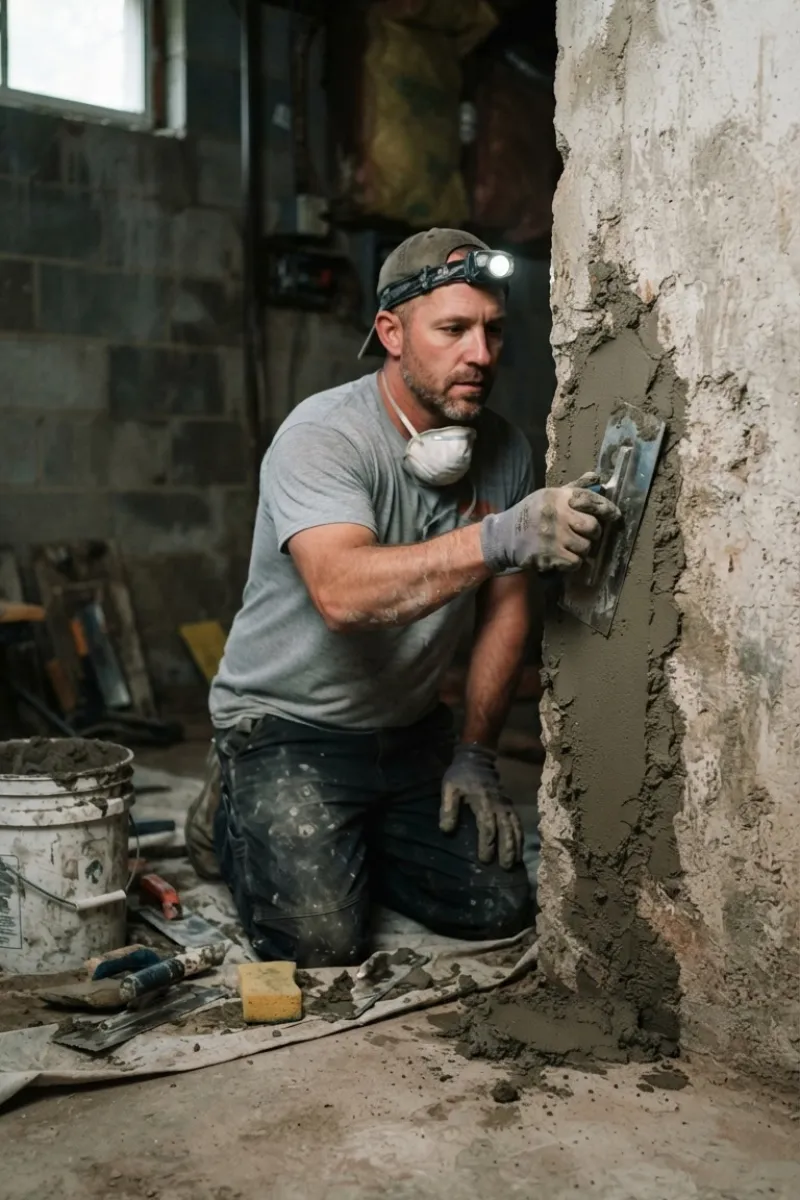
A basement wall section that is significantly deteriorated or displaced may require partial rebuilding instead of repeated patching.
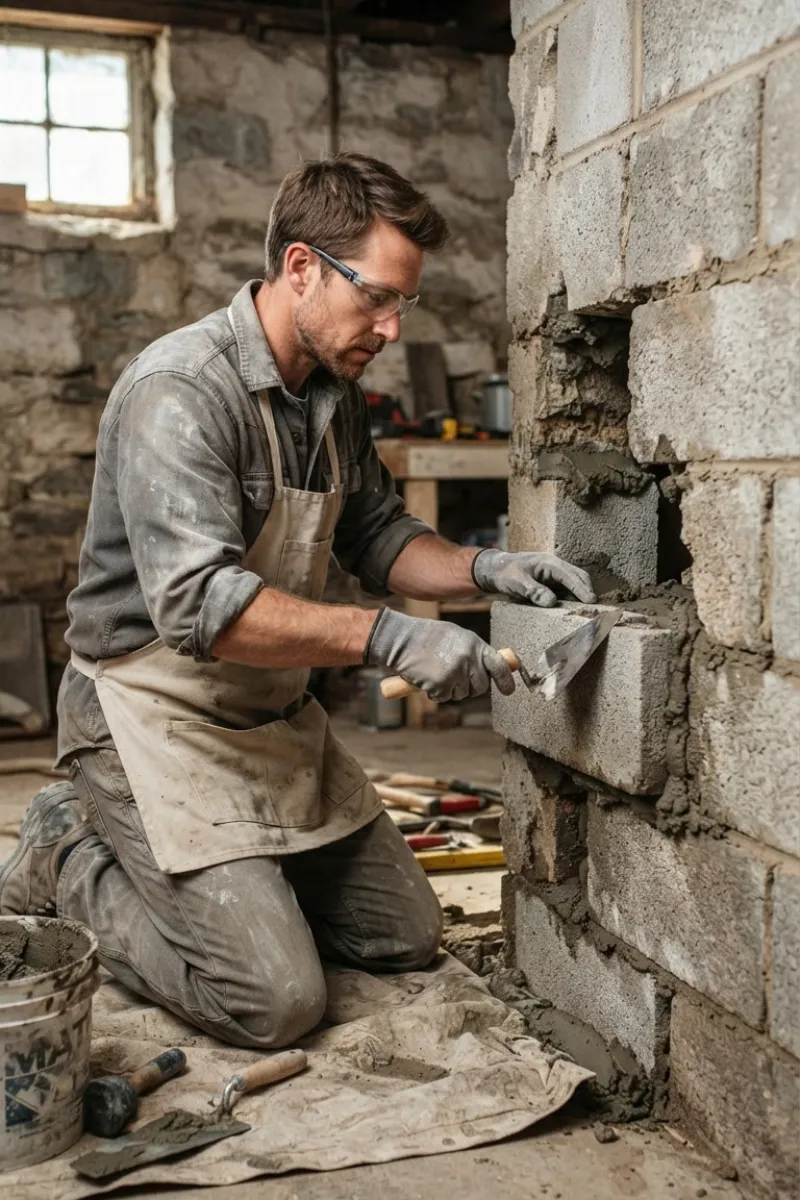
Basement repair, waterproofing, and foundation repair can overlap, but they address different parts of the problem.
Basement repair focuses on repairing damaged wall surfaces, concrete, mortar joints, masonry, and localized structural materials.
Basement waterproofing focuses on controlling or reducing unwanted water and moisture.
Foundation repair addresses cracks, movement, settlement, bowing, displacement, or other conditions affecting the foundation itself.
A property may need only one of these services, or a combination.
For example, a deteriorated block wall may need repointing and masonry repair, but if water repeatedly enters through the same area, waterproofing or drainage may also need to be addressed.
The correct approach depends on wall condition, moisture source, crack patterns, movement, surrounding drainage, previous repairs, and the extent of deterioration.
The visible damage should not be repaired in isolation when an underlying cause is still active.
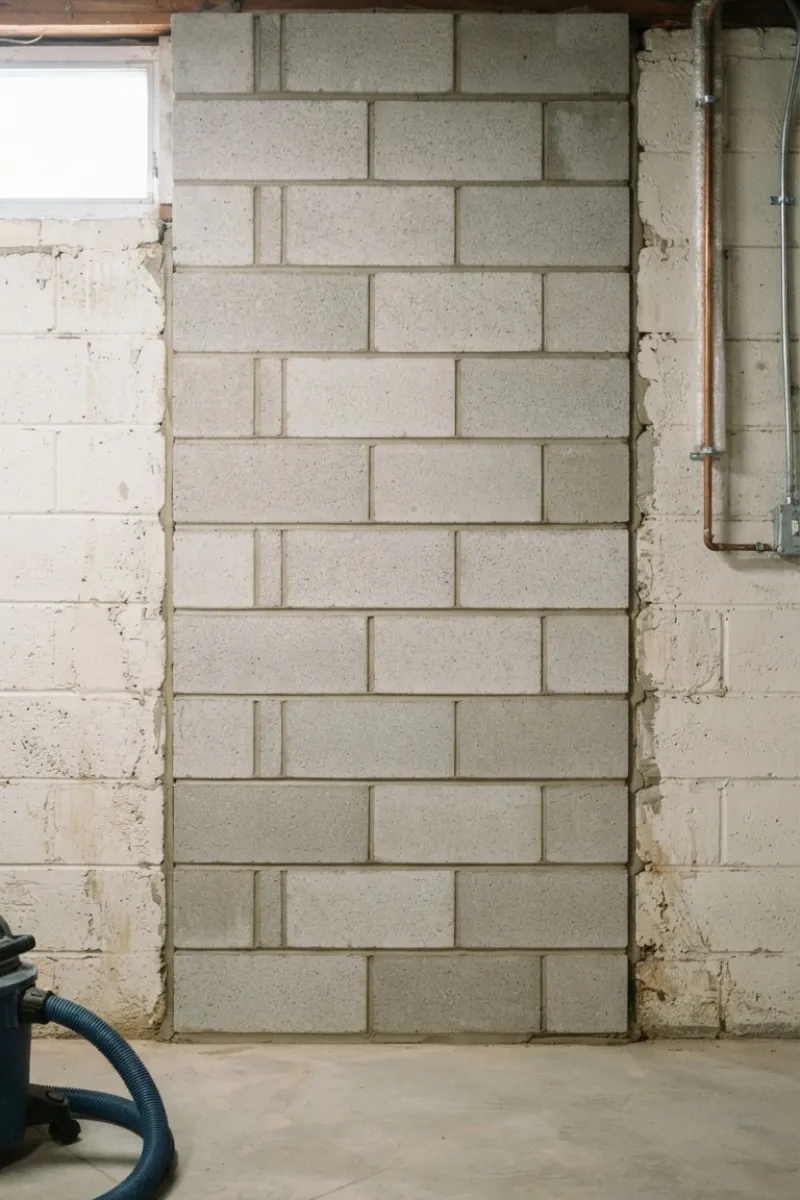
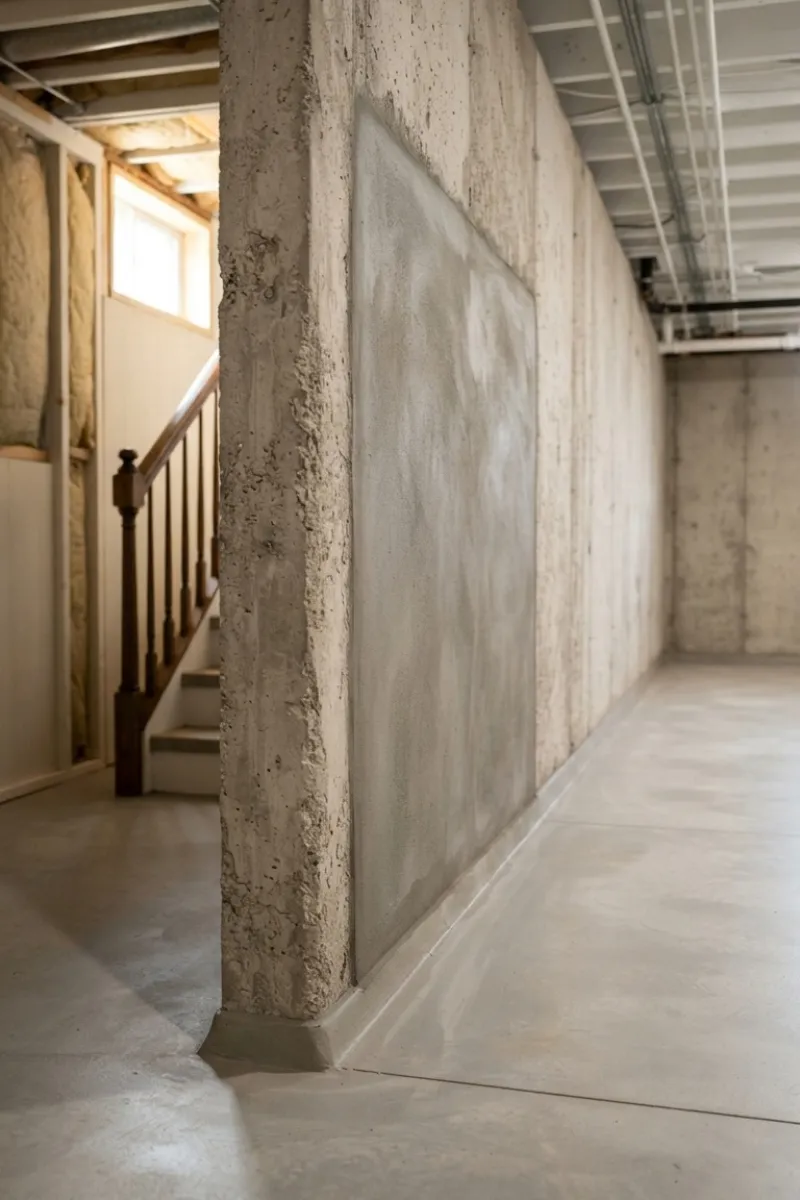
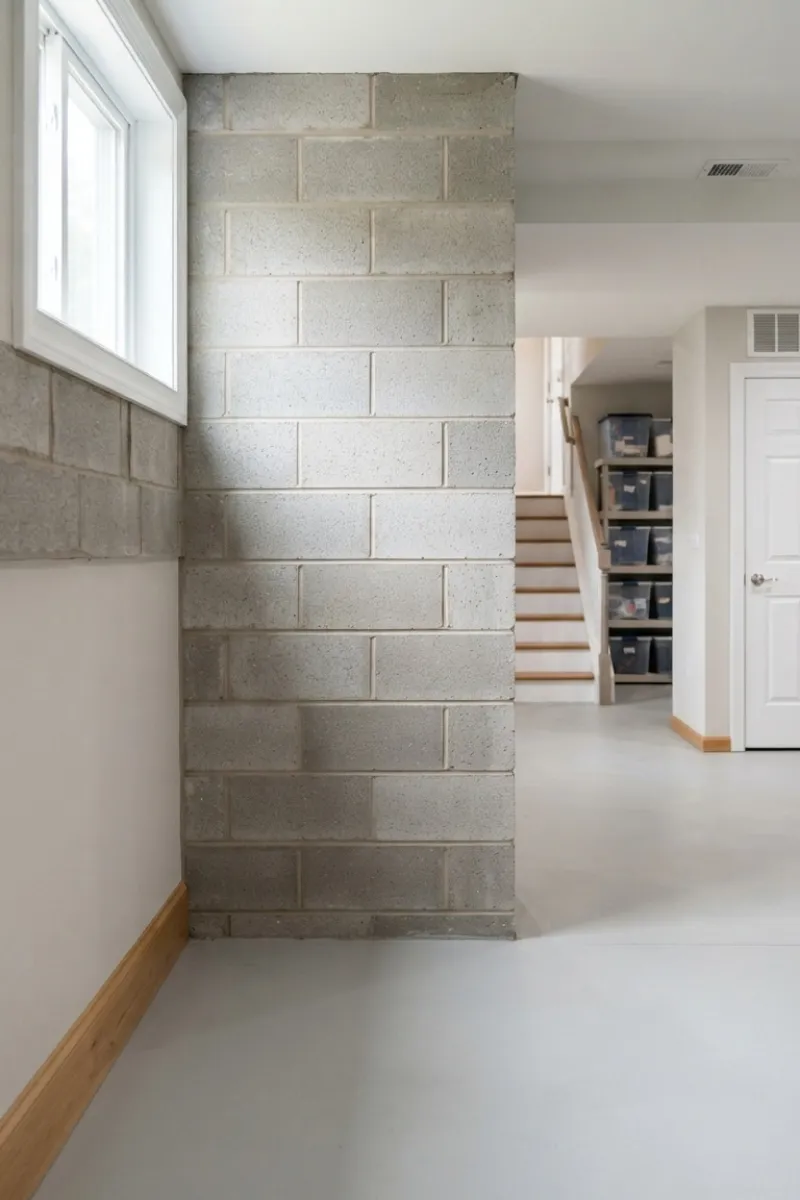
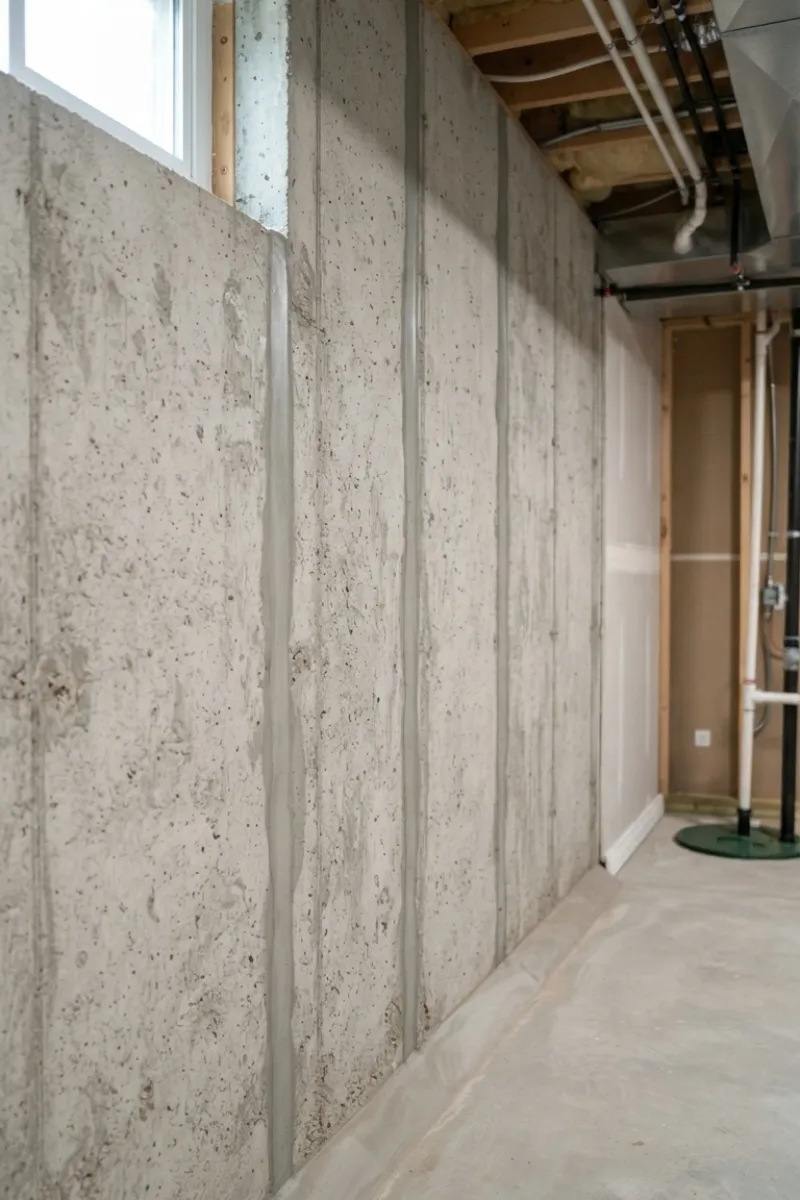
We review cracks, deteriorated surfaces, mortar joints, masonry units, concrete, moisture signs, and visible movement.
We consider whether the damage appears related to moisture, settlement, water pressure, aging materials, or previous repairs.
The proposed approach may involve crack repair, repointing, masonry replacement, concrete repair, partial rebuilding, or related waterproofing work.
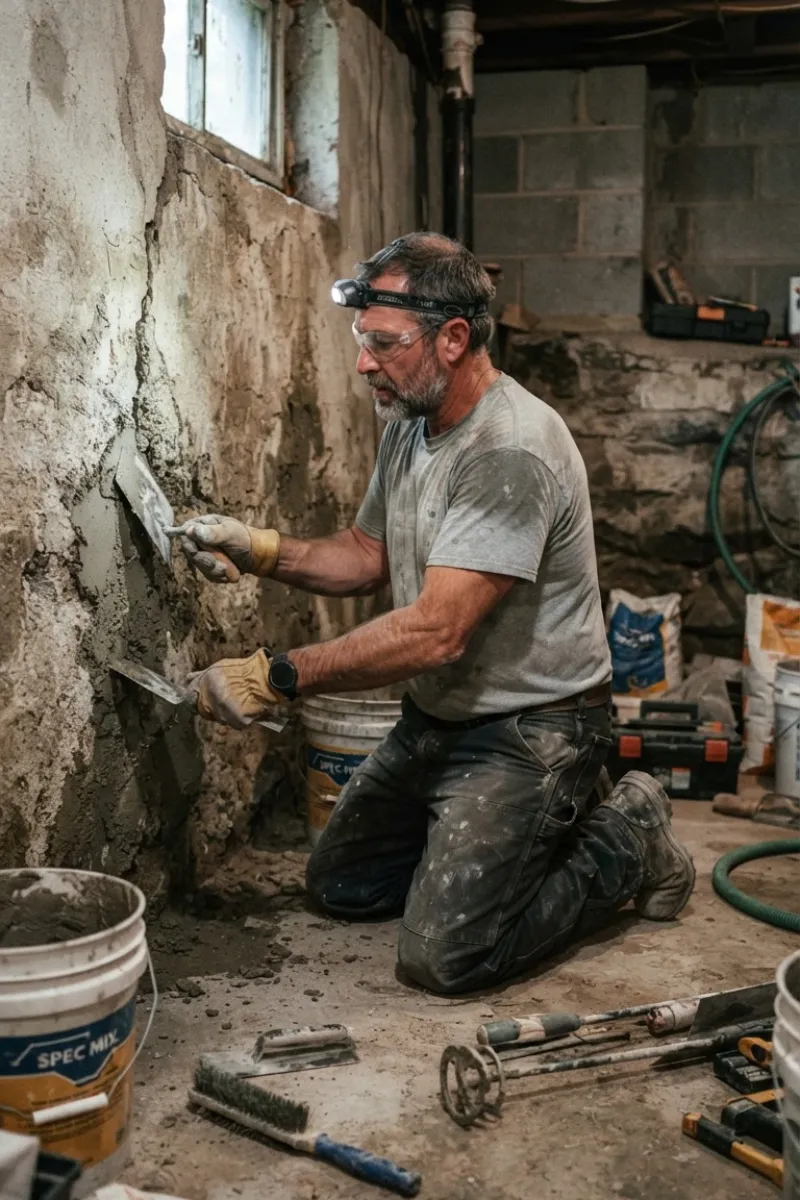
The agreed repair is completed based on the wall material, condition, and scope.
The repaired area and surrounding wall are reviewed against the intended work.
Optane is based in Elizabeth, making North Jersey the primary service area. Masonry and hardscape services are available across nearby communities, with selected New York coverage provided as an additional service region.
Serving New Jersey property owners with reliable masonry, foundation, drainage, roofing, and exterior improvement solutions.
Providing masonry, foundation, drainage, roofing, and home improvement services across communities throughout New York.
Property owners can review actual Optane work before discussing their own masonry or exterior improvement project.
Before choosing a contractor, property owners can review genuine customer feedback published by Optane.
Optane is based in Elizabeth and primarily serves North Jersey properties.
Basement repairs can address damaged mortar, masonry units, concrete, and localized wall deterioration.
Visible wall damage is considered together with moisture, drainage, and movement before work is recommended.
Where appropriate, localized damage may be repaired without rebuilding more of the wall than necessary.
If basement damage is connected to water or foundation movement, related services can also be considered.
HIC License: HIC.0703840
Optane Masonry & Home Improvements provides a range of exterior, structural, drainage, waterproofing, and home improvement services.
Cracks, crumbling masonry, damaged mortar, deteriorated concrete, and water-damaged wall areas can require different repair methods depending on the condition and underlying cause. Optane Masonry & Home Improvements provides basement repair services from its Elizabeth, NJ base throughout North Jersey and selected New York areas.
Common repairable problems can include cracks, deteriorated mortar, damaged masonry units, surface concrete deterioration, and localized wall damage. The right repair depends on the wall material and whether moisture or movement is contributing to the problem.
Basement wall deterioration can result from moisture, aging mortar or concrete, salt-related surface damage, previous repairs, or long-term material breakdown. The source of moisture should be considered before repairing the damaged surface.
Many localized cracks can be repaired, but the crack pattern and surrounding wall condition matter. Cracks associated with bowing, displacement, settlement, or continuing movement may require broader foundation work.
No. Basement repair focuses on fixing damaged walls, concrete, mortar, and masonry. Waterproofing focuses mainly on controlling unwanted water and moisture. Some properties need both if water is contributing to the physical damage.
Yes. Optane Masonry & Home Improvements is based in Elizabeth, NJ, with North Jersey serving as the primary service region. Basement repair may be available throughout Elizabeth and nearby communities including Union, Linden, Hillside, Roselle, Cranford, Rahway, Newark, and other selected areas.
Optane also provides selected New York coverage in addition to its North Jersey market. Staten Island is part of the current retained New York service area. Property owners can contact the New York number to discuss their basement repair needs and service availability.
914-438-8461
201-982-2375